The U.S. Department of Labor has developed an automated occupational information database, O*NET, that identifies and describes work content, work skills, and training requirements for all jobs across the country in all sectors of the economy. Much of the occupational information contained in this report is derived directly from the O*NET database, and supplemented with information from the Bureau of Labor Statistics, Census Bureau, and Labor Market and Career Information.
Veterinary Technologists and Technicians
O*NET 29-2056.00
Description:
Perform medical tests in a laboratory environment for use in the treatment and diagnosis of diseases in animals. Prepare vaccines and serums for prevention of diseases. Prepare tissue samples, take blood samples, and execute laboratory tests, such as urinalysis and blood counts. Clean and sterilize instruments and materials and maintain equipment and machines. May assist a veterinarian during surgery.
Annual Wages: $39,754.00
Employment Rate: Employment is expected to increase by 36.87%.
Education Level: High School Diploma - or the equivalent (for example, GED). According to O*Net, the majority of people employed in this occupation have this level of education.
Endorsement: Business and Industry, Science Technology Engineering and Math (STEM)
Perform medical tests in a laboratory environment for use in the treatment and diagnosis of diseases in animals. Prepare vaccines and serums for prevention of diseases. Prepare tissue samples, take blood samples, and execute laboratory tests, such as urinalysis and blood counts. Clean and sterilize instruments and materials and maintain equipment and machines. May assist a veterinarian during surgery.
Annual Wages: $39,754.00
Employment Rate: Employment is expected to increase by 36.87%.
Education Level: High School Diploma - or the equivalent (for example, GED). According to O*Net, the majority of people employed in this occupation have this level of education.
Endorsement: Business and Industry, Science Technology Engineering and Math (STEM)
- Administer anesthesia to animals, under the direction of a veterinarian, and monitor animals' responses to anesthetics so that dosages can be adjusted.
- Care for and monitor the condition of animals recovering from surgery.
- Prepare and administer medications, vaccines, serums, or treatments, as prescribed by veterinarians.
- Perform laboratory tests on blood, urine, or feces, such as urinalyses or blood counts, to assist in the diagnosis and treatment of animal health problems.
- Administer emergency first aid, such as performing emergency resuscitation or other life saving procedures.
- Collect, prepare, and label samples for laboratory testing, culture, or microscopic examination.
- Clean and sterilize instruments, equipment, or materials.
- Provide veterinarians with the correct equipment or instruments, as needed.
- Fill prescriptions, measuring medications and labeling containers.
- Prepare animals for surgery, performing such tasks as shaving surgical areas.
- Take animals into treatment areas and assist with physical examinations by performing such duties as obtaining temperature, pulse, or respiration data.
- Observe the behavior and condition of animals and monitor their clinical symptoms.
- Take and develop diagnostic radiographs, using x-ray equipment.
- Maintain laboratory, research, or treatment records, as well as inventories of pharmaceuticals, equipment, or supplies.
- Give enemas and perform catheterizations, ear flushes, intravenous feedings, or gavages.
- Prepare treatment rooms for surgery.
- Maintain instruments, equipment, or machinery to ensure proper working condition.
- Perform dental work, such as cleaning, polishing, or extracting teeth.
- Clean kennels, animal holding areas, surgery suites, examination rooms, or animal loading or unloading facilities to control the spread of disease.
- Provide information or counseling regarding issues such as animal health care, behavior problems, or nutrition.
- Provide assistance with animal euthanasia and the disposal of remains.
- Dress and suture wounds and apply splints or other protective devices.
- Perform a variety of office, clerical, or accounting duties, such as reception, billing, bookkeeping, or selling products.
- Bathe animals, clip nails or claws, and brush or cut animals' hair.
- Conduct specialized procedures, such as animal branding or tattooing or hoof trimming.
- Maintain controlled drug inventory and related log books.
- Supervise or train veterinary students or other staff members.
- Monitor medical supplies and place orders when inventory is low.
- Restrain animals during exams or procedures.
- Discuss medical health of pets with clients, such as post-operative status.
- Schedule appointments and procedures for animals.
National Industry Employment Patterns
| Industry | % of Veterinary Technologists and Technicians employed | Annual Growth Rate |
|---|---|---|
| Other professional, scientific, and technical services | 90.4 | 2.01 |
| Colleges, universities, and professional schools | 2.9 | 0.54 |
Labor Market Information
| 2024 Statewide average hourly wage | $19.11 |
| 2024 National average hourly wage | $22.25 |
| 2022 National employment | 122,900 |
| 2022 Texas employment | 12,645 |
| Texas projected employment by 2032 | 17,307 |
| Texas projected annual employment and Turnover openings through 2032 | 1,820 |
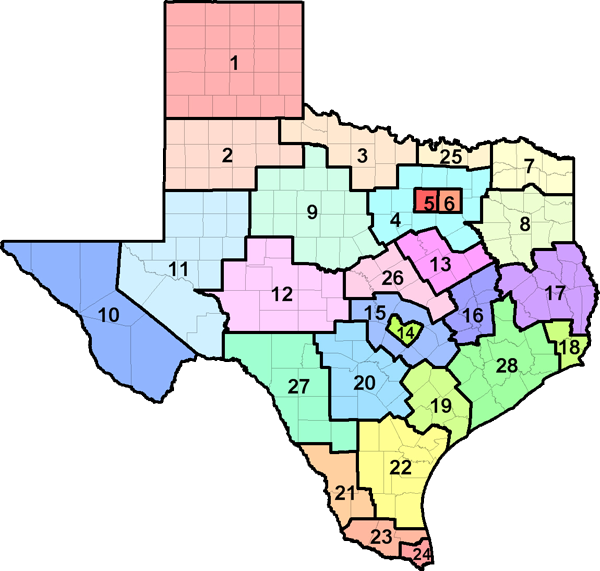
| Region | Employment | Projected Employment 2032 | Projected Annual Openings 2032 |
Annual Growth Rate |
Average Income |
|---|---|---|---|---|---|
| Texas (all regions) | 12,645 | 17,307 | 1,820 | 3.19% | $39,754.00 |
* Due to confidentiality rules, not all regions may have the data displayed. The sum of all the regions may not be equal to the state total.
| Top 10 Relevant Knowledge Areas | Relevant Importance Levels |
|---|---|
| Medicine and Dentistry Knowledge of the information and techniques needed to diagnose and treat human injuries, diseases, and deformities. This includes symptoms, treatment alternatives, drug properties and interactions, and preventive health-care measures. |
|
| Customer and Personal Service Knowledge of principles and processes for providing customer and personal services. This includes customer needs assessment, meeting quality standards for services, and evaluation of customer satisfaction. |
|
| Biology Knowledge of plant and animal organisms, their tissues, cells, functions, interdependencies, and interactions with each other and the environment. |
|
| English Language Knowledge of the structure and content of the English language including the meaning and spelling of words, rules of composition, and grammar. |
|
| Mathematics Knowledge of arithmetic, algebra, geometry, calculus, statistics, and their applications. |
|
| Chemistry Knowledge of the chemical composition, structure, and properties of substances and of the chemical processes and transformations that they undergo. This includes uses of chemicals and their interactions, danger signs, production techniques, and disposal methods. |
|
| Computers and Electronics Knowledge of circuit boards, processors, chips, electronic equipment, and computer hardware and software, including applications and programming. |
|
| Administrative Knowledge of administrative and office procedures and systems such as word processing, managing files and records, stenography and transcription, designing forms, and workplace terminology. |
|
| Education and Training Knowledge of principles and methods for curriculum and training design, teaching and instruction for individuals and groups, and the measurement of training effects. |
|
| Sales and Marketing Knowledge of principles and methods for showing, promoting, and selling products or services. This includes marketing strategy and tactics, product demonstration, sales techniques, and sales control systems. |
| Top 10 Relevant Skill Areas | Relevant Importance Levels |
|---|---|
| Active Listening Giving full attention to what other people are saying, taking time to understand the points being made, asking questions as appropriate, and not interrupting at inappropriate times. |
|
| Critical Thinking Using logic and reasoning to identify the strengths and weaknesses of alternative solutions, conclusions, or approaches to problems. |
|
| Reading Comprehension Understanding written sentences and paragraphs in work-related documents. |
|
| Speaking Talking to others to convey information effectively. |
|
| Writing Communicating effectively in writing as appropriate for the needs of the audience. |
|
| Monitoring Monitoring/Assessing performance of yourself, other individuals, or organizations to make improvements or take corrective action. |
|
| Complex Problem Solving Identifying complex problems and reviewing related information to develop and evaluate options and implement solutions. |
|
| Service Orientation Actively looking for ways to help people. |
|
| Social Perceptiveness Being aware of others' reactions and understanding why they react as they do. |
|
| Coordination Adjusting actions in relation to others' actions. |
| Top 10 Relevant Abilities | Relevant Importance Levels |
|---|---|
| Deductive Reasoning The ability to apply general rules to specific problems to produce answers that make sense. |
77.60% |
| Inductive Reasoning The ability to combine pieces of information to form general rules or conclusions (includes finding a relationship among seemingly unrelated events). |
77.60% |
| Oral Expression The ability to communicate information and ideas in speaking so others will understand. |
77.60% |
| Near Vision The ability to see details at close range (within a few feet of the observer). |
77.60% |
| Speech Recognition The ability to identify and understand the speech of another person. |
75.00% |
| Oral Comprehension The ability to listen to and understand information and ideas presented through spoken words and sentences. |
75.00% |
| Written Comprehension The ability to read and understand information and ideas presented in writing. |
75.00% |
| Information Ordering The ability to arrange things or actions in a certain order or pattern according to a specific rule or set of rules (e.g., patterns of numbers, letters, words, pictures, mathematical operations). |
75.00% |
| Problem Sensitivity The ability to tell when something is wrong or is likely to go wrong. It does not involve solving the problem, only recognizing that there is a problem. |
75.00% |
| Speech Clarity The ability to speak clearly so others can understand you. |
67.60% |
- Identifying Objects, Actions, and Events -- Identifying information by categorizing, estimating, recognizing differences or similarities, and detecting changes in circumstances or events.
- Assisting and Caring for Others -- Providing personal assistance, medical attention, emotional support, or other personal care to others such as coworkers, customers, or patients.
- Documenting/Recording Information -- Entering, transcribing, recording, storing, or maintaining information in written or electronic/magnetic form.
- Getting Information -- Observing, receiving, and otherwise obtaining information from all relevant sources.
- Inspecting Equipment, Structures, or Materials -- Inspecting equipment, structures, or materials to identify the cause of errors or other problems or defects.
- Relationships - Occupations that satisfy this work value allow employees to provide service to others and work with co-workers in a friendly non-competitive environment. Corresponding needs are Co-workers, Moral Values and Social Service.
- Support - Occupations that satisfy this work value offer supportive management that stands behind employees. Corresponding needs are Company Policies, Supervision: Human Relations and Supervision: Technical.
- Assistant Laboratory Animal Technician (ALAT/RALAT)
- American Association for Laboratory Animal Science
- Certificate in Cardiology
- American College of Veterinary Internal Medicine
- Certificate in Neurology
- American College of Veterinary Internal Medicine
- Certificate in Oncology
- American College of Veterinary Internal Medicine
- Certified Equine Dental Technician (IAED/C)
- International Association of Equine Dentistry
- Certified Farrier (CF)
- American Farrier's Association
- Certified Journeyman Farrier (AFA)
- American Farrier's Association
- Certified Journeyman Farrier - Educators Endorsement (CJF)
- American Farrier's Association
- Certified Journeyman Farriers - Forging Endorsement (CJF)
- American Farrier's Association
- Certified Journeyman Farriers - Therapeutic Endorsement (CJF)
- American Farrier's Association
- Certified Tradesman Farrier (AFA)
- American Farrier's Association
- Certified Veterinary Practice Manager (CVPM)
- Veterinary Hospital Managers Association, Inc.
- Laboratory Animal Technician (LAT)
- American Association for Laboratory Animal Science
- Laboratory Animal Technologist (LATG)
- American Association for Laboratory Animal Science
- Veterinary Anatomical Pathology Phase II
- American College of Veterinary Pathologists
- Veterinary Clinical Pathology Phase II
- American College of Veterinary Pathologists
- Veterinary Internal Medicine Technician
- Academy of Internal Medicine for Veterinary Technicians
- Veterinary Internal Medicine Technician - Cardiology
- Academy of Internal Medicine for Veterinary Technicians
- Veterinary Internal Medicine Technician - Large Animal Internal Medicine
- Academy of Internal Medicine for Veterinary Technicians
- Veterinary Internal Medicine Technician - Neurology
- Academy of Internal Medicine for Veterinary Technicians
- Veterinary Internal Medicine Technician - Oncology
- Academy of Internal Medicine for Veterinary Technicians
- Veterinary Internal Medicine Technician - Small Animal Internal Medicine
- Academy of Internal Medicine for Veterinary Technicians
- Veterinary Technician National Exam (VTNE)
- American Association of Veterinary State Boards
- Veterinary Technician Specialist in Nutrition (VTS-Nutrition)
- Academy of Veterinary Nutrition Technicians
- Veterinary Technician Specialist- Nutrition (VTS-N)
- Academy of Veterinary Nutrition Technicians
Tools
Air rifles or air handguns: Dart guns; Capture rifles;
Ambulances: Ambulances;
Analgesic infusion sets or kits: Infusion sets;
Animal catching devices: Animal capture nets; Animal catching poles; Animal snares;
Animal husbandry equipment: Cattle chutes; Hoof picks; Dehorners;
Animal shearing or clipping equipment: Electric animal clippers;
Animal weighing scales: Electronic animal scales;
Arterial line catheters: Arterial line catheters;
Artificial airway holders: Artificial airway holders;
Benchtop centrifuges: Benchtop centrifuges;
Binocular light compound microscopes: Optical compound microscopes;
Blood collection needles: Venoject needles;
Blood collection syringes: Blood collection syringes;
Blood gas analyzers: Blood gas analyzers;
Blood pressure recording units: Blood pressure recorders;
Cages or its accessories: Squeeze cages;
Cardiac output CO monitoring units: Portable cardiac monitors; Cardiac monitors;
Cardiac pacemaker generators or cardiac resynchronization therapy pacemakers CRT-P: External pacers;
Chemical or gas sterilizers: Gas sterilizers;
Chemistry analyzers: Automated chemistry analyzers;
Coagulation analyzers: Coagulation analyzers;
Dental finishing or polishing discs: Prophylaxis angles;
Dental handpieces: Dental handpieces;
Dental probes or explorers: Dental probes or explorers; Dental explorers;
Dental scalers: Ultrasonic dental scalers;
Dental x ray units: Veterinary dental x ray equipment;
Desktop computers: Desktop computers;
Digital cameras: Digital cameras;
Electrocardiography EKG transmitters or telemetry devices: Telemetry units;
Electrocardiography EKG units: Electrocardiography EKG units;
Electrosurgical or electrocautery equipment: Electrosurgery units;
Endotracheal tubes: Endotracheal ET tubes;
Enema kits: Enema equipment;
Enteral feeding administration sets: Enteral feeding equipment;
Esophageal tubes: Esophageal tracheal airway devices;
Extremity restraints: Limb restraints;
Finger ring removers or cutters: Ring cutters;
Flow sensors or regulators or components: Wall-mounted oxygen regulators;
Forced air or mechanical convection general purpose incubators: Laboratory mechanical convection incubators;
Full body immersion hydrotherapy baths or tanks: Veterinary immersion hydrotherapy equipment;
Gas anesthesia apparatus or machines: Veterinary anesthesia machines;
Glucose monitors or meters: Glucometers;
Handheld refractometers or polarimeters: Handheld refractometers;
Harnesses or its accessories: Head halters;
Hemocytometers: Hemocytometers;
Hypodermic injection apparatus: Preload syringes; Epi-pens;
Hypodermic needle: Hypodermic needles;
Intermittent positive pressure breathing IPPB machines: Mechanical intermittent positive pressure ventilators;
Intravenous catheters: Intravenous IV cannulas;
Intravenous infusion pumps for general use: Intravenous IV pressure infusers; Intravenous IV pumps;
Intravenous or arterial arm boards: Long arm boards; Short arm boards;
Intravenous or arterial tubing adapter or connector: Saline locks;
Intravenous tubing with catheter administration kits: Intravenous IV administration sets;
Intubation forceps: Adult Magill forceps;
Intubation gauges or guides: Esophageal intubation detection devices;
Intubation laryngoscopes: Laryngoscopes; Straight adult blades; Straight pediatric blades; Curved adult blades; Curved pediatric blades;
Intubation stylets: Adult stylets;
Laboratory balances: Laboratory scales;
Laboratory diluters: Automated diluters;
Manual or electronic hematology differential cell counters: Electronic blood cell counters; Differential blood cell counters;
Medical acoustic stethoscopes: Mechanical stethoscopes;
Medical aspiration or irrigation syringes: Bulb syringes;
Medical computed tomography CT or CAT scanners or tubes: Computed tomography CT scanners;
Medical gas cylinders or related devices: Portable oxygen equipment; Fixed-oxygen equipment;
Medical magnetic resonance imaging MRI scanners: Magnetic resonance imaging MRI systems;
Medical nasal cannulas: Oxygen nasal cannulae;
Medical oxygen masks or parts: Child oxygen masks; Adult non-rebreather oxygen masks; Infant oxygen masks;
Medical radiation films or badges: Radiation detecting film badges;
Medical radiological positioning aids for general radiological use: X ray patient positioning equipment;
Medical radiological shielding aprons or masks or drapes: Lead thyroid collars; Lead aprons;
Medical radiological shielding gloves: Lead gloves;
Medical syringes with needle: Anesthesia syringes; Hypodermic syringes; Multiple dose syringes;
Medical ultrasound or doppler or pulse echocardiograph or echocardiograph units for general diagnostic use: Veterinary ultrasound equipment;
Medical x ray darkroom accessories: Manual darkroom developing equipment; X ray film processors;
Medical x ray films or cassettes: X ray cassettes;
Medical x ray intensifying screens: X ray intensifying equipment;
Medical x ray units for general diagnostic use: Stationary veterinary x ray equipment; Portable veterinary x ray equipment; Digital x ray equipment;
Microcentrifuges: Microhematocrit centrifuges;
Microscope slides: Microscope slides;
Mobile medical service anti shock garments: Medical anti-shock trousers MAST; Mobile medical service anti shock garments;
Mobile medical service intravenous IV kits: Intraosseous kits;
Mobile medical services automated external defibrillators AED or hard paddles: Semiautomated or automatic external defibrillators AED;
Mobile medical services head immobilizers: Head immobilization devices;
Mobile medical services litter: Multi-level wheeled cots; Stair chairs;
Mobile medical services non-suction antichoke devices: Cricothyrotomy kits;
Mobile medical services obstetrics kits: Obstetrical OB kits;
Mobile medical services suction antichoke devices: Fixed-suction equipment; Airway suction units; Battery-powered portable suction units;
Mobile medical services triage tags: Triage tags;
Mobile or transportable medical linear accelerators: Linear accelerator equipment;
Mobile resuscitator or aspirator kits: Resuscitation devices; One-way valve pocket masks;
Muzzles: Muzzles;
Nasopharyngeal tubes or airways: Nasopharyngeal airways;
Nebulizers: Nebulizers; Aerosol nebulizers; Humidification equipment;
Needleless intravenous injection syringe sets or injection cannulas: Interlink syringe cannulas;
Needleless vial or bag withdrawal cannulas or adapters or decanters: Vial access cannulas;
Non vacuum blood collection tubes or containers: Blood tubes;
Notebook computers: Notebook computers; Laptop computers;
Ophthalmic tonometers: Ophthalmic tonometers;
Ophthalmoscopes or otoscopes or scope sets: Ophthalmoscopes; Otoscopes;
Orthopedic splint systems: Cardboard splints; Splints; Rigid splints;
Osmometers: Osmometers;
Oxygen insufflators: Transtracheal jet insufflators;
Oxygen therapy delivery system products: Oxygen administration equipment;
Patient stretchers: Stretchers;
Periodontal curettes: Periodontal curettes;
Personal computers: Personal computers;
Protective gloves: Bite gloves;
Pulse oximeter units: Pulse oximeters;
Respiratory monitoring kits: Respiration monitors;
Restraints: Bovine tail restraints; Nose tongs;
Resuscitation masks: Ambu bags;
Sledge hammer: Sledgehammers;
Specimen collection container: Specimen collection containers;
Steam autoclaves or sterilizers: Steam autoclaves; Vacuum autoclaves;
Surgical calipers or rulers or protractors: Surgical calipers;
Surgical isolation or surgical masks: Protective face shields;
Surgical retractors: Surgical retractors;
Surgical scalpels or knives or blades or trephines: Surgical scalpels;
Suture needles: Suture needles;
Suture removers: Suture scissors;
Tablet computers: Tablet computers;
Therapeutic heating or cooling units or systems: Veterinary patient warming systems;
Tourniquets: Tourniquets;
Ultrasonic cleaning equipment: Ultrasonic instrument cleaners;
Urinary catheterization kits: Urinary catheters;
Vacuum blood collection tubes or containers: Evacuated blood collection tubes;
Veterinary blood pressure testers: Ultrasonic blood pressure monitors;
Veterinary castration instruments: Veterinary emasculators;
Veterinary clinical thermometers: Digital veterinary thermometers;
Veterinary electrocardiograph ECG: Animal electrocardiograph ECG units;
Veterinary injection or suction unit: Balling guns; Veterinary suction equipment;
Veterinary nail trimmers or cutters: Hoof trimmers; Animal nail trimmers;
Veterinary speculums: Veterinary vaginal specula; Veterinary oral specula;
Winged infusion needle set: Scalp vein needles;
Technology
Data base user interface and query software: FileMaker Pro; Microsoft Access; Practice management software PMS;
Electronic mail software: Microsoft Outlook;
Internet browser software: Web browser software;
Medical software: Veterinary practice management software PMS; Animal Intelligence Software Animal Intelligence; McAllister Software Systems AVImark;
Office suite software: Microsoft Office software;
Presentation software: Microsoft PowerPoint;
Spreadsheet software: Microsoft Excel;
Word processing software: Microsoft Word; Word processing software;
Related O*NET occupational titles for Veterinary Technologists and Technicians include:
- 29-2031.00 Cardiovascular Technologists and Technicians
- 29-2042.00 Emergency Medical Technicians
- 29-2012.00 Medical and Clinical Laboratory Technicians
- 29-2011.00 Medical and Clinical Laboratory Technologists
- 31-9092.00 Medical Assistants
- 31-9097.00 Phlebotomists
- 29-2034.00 Radiologic Technologists and Technicians
- 29-9093.00 Surgical Assistants
- 29-2055.00 Surgical Technologists
- 31-9096.00 Veterinary Assistants and Laboratory Animal Caretakers
Sources of Additional Information
Contact Texas Workforce Commission
Labor Market and Career Information | 101 E. 15th Street, Annex Room 0252 | Austin, Texas 78778