
The U.S. Department of Labor has developed an automated occupational information database, O*NET, that identifies and describes work content, work skills, and training requirements for all jobs across the country in all sectors of the economy. Much of the occupational information contained in this report is derived directly from the O*NET database, and supplemented with information from the Bureau of Labor Statistics, Census Bureau, and Labor Market and Career Information.

| Industry | % of Data Scientists employed | Annual Growth Rate |
|---|---|---|
| Computer systems design and related services | 12.6 | 3.62 |
| Management, scientific, and technical consulting services | 7 | 3.35 |
| Insurance carriers | 6.7 | 2.94 |
| Scientific research and development services | 5.1 | 2.86 |
| Software publishers | 4.2 | 3.63 |
| Employment services | 3.8 | 2.47 |
| Colleges, universities, and professional schools | 2.7 | 2.69 |
| Architectural, engineering, and related services | 2.7 | 2.75 |
| Agencies, brokerages, and other insurance related activities | 2.3 | 3.68 |
| General medical and surgical hospitals | 2.2 | 2.57 |
| Other professional, scientific, and technical services | 2.2 | 3.46 |
| 2025 Statewide average hourly wage | $57.55 |
| 2025 National average hourly wage | $60.96 |
| 2022 National employment | 168,900 |
| 2022 Texas employment | 13,218 |
| Texas projected employment by 2032 | 20,246 |
| Texas projected annual employment and Turnover openings through 2032 | 1,691 |
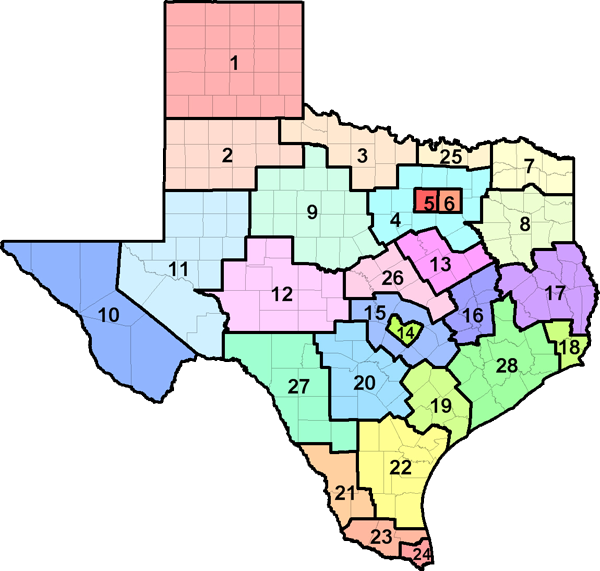
| Region | Employment | Projected Employment 2032 | Projected Annual Openings 2032 |
Annual Growth Rate |
Average Income |
|---|---|---|---|---|---|
| Texas (all regions) | 13,218 | 20,246 | 1,691 | 4.36% | $119,708.00 |