Occupation Summary

Biochemists and Biophysicists

O*NET 19-1021.00

Description:

Study the chemical composition or physical principles of living cells and organisms, their electrical and mechanical energy, and related phenomena. May conduct research to further understanding of the complex chemical combinations and reactions involved in metabolism, reproduction, growth, and heredity. May determine the effects of foods, drugs, serums, hormones, and other substances on tissues and vital processes of living organisms.

Annual Wages:
$97,077.00
Employment Rate:
Employment is expected to increase by 16.25%.
Education Level:
Post-Doctoral Training. According to O*Net, the majority of people employed in this occupation have this level of education.
Endorsement:
STEM

  1. Prepare reports or recommendations, based upon research outcomes.
  2. Develop new methods to study the mechanisms of biological processes.
  3. Manage laboratory teams or monitor the quality of a team's work.
  4. Share research findings by writing scientific articles or by making presentations at scientific conferences.
  5. Develop or execute tests to detect diseases, genetic disorders, or other abnormalities.
  6. Develop or test new drugs or medications intended for commercial distribution.
  7. Study the mutations in organisms that lead to cancer or other diseases.
  8. Study spatial configurations of submicroscopic molecules, such as proteins, using x-rays or electron microscopes.
  9. Study the chemistry of living processes, such as cell development, breathing and digestion, or living energy changes, such as growth, aging, or death.
  10. Determine the three-dimensional structure of biological macromolecules.
  11. Prepare pharmaceutical compounds for commercial distribution.
  12. Research the chemical effects of substances, such as drugs, serums, hormones, or food, on tissues or vital processes.
  13. Research how characteristics of plants or animals are carried through successive generations.
  14. Develop methods to process, store, or use foods, drugs, or chemical compounds.
  15. Investigate the nature, composition, or expression of genes or research how genetic engineering can impact these processes.
  16. Study physical principles of living cells or organisms and their electrical or mechanical energy, applying methods and knowledge of mathematics, physics, chemistry, or biology.
  17. Produce pharmaceutically or industrially useful proteins, using recombinant DNA technology.
  18. Isolate, analyze, or synthesize vitamins, hormones, allergens, minerals, or enzymes and determine their effects on body functions.
  19. Design or perform experiments with equipment, such as lasers, accelerators, or mass spectrometers.
  20. Teach or advise undergraduate or graduate students or supervise their research.
  21. Research transformations of substances in cells, using atomic isotopes.
  22. Examine the molecular or chemical aspects of immune system functioning.
  23. Design or build laboratory equipment needed for special research projects.
  24. Write grant proposals to obtain funding for research.


National Industry Employment Patterns


Industry % of Biochemists and Biophysicists employed Annual Growth Rate
Scientific research and development services 57.5 0.59
Pharmaceutical and medicine manufacturing 18.2 0.62
Colleges, universities, and professional schools 6.5 0.43
Architectural, engineering, and related services 2.6 0.00


Labor Market Information


2024 Statewide average hourly wage $46.67
2024 National average hourly wage $55.56
2022 National employment 34,500
2022 Texas employment 517
Texas projected employment by 2032 601
Texas projected annual employment and Turnover openings through 2032 48


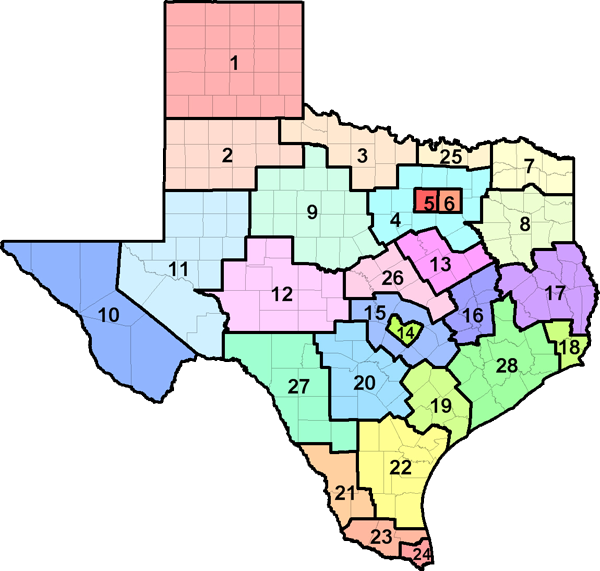
TEXAS COUNTY MAP BY WORKFORCE DEVELOPMENT AREA
* Due to confidentiality rules, not all regions may have the data displayed. The sum of all the regions may not be equal to the state total.


Top 10 Relevant Knowledge Areas Relevant Importance Levels
Biology
Knowledge of plant and animal organisms, their tissues, cells, functions, interdependencies, and interactions with each other and the environment.
93.00%
Chemistry
Knowledge of the chemical composition, structure, and properties of substances and of the chemical processes and transformations that they undergo. This includes uses of chemicals and their interactions, danger signs, production techniques, and disposal methods.
87.00%
English Language
Knowledge of the structure and content of the English language including the meaning and spelling of words, rules of composition, and grammar.
86.00%
Mathematics
Knowledge of arithmetic, algebra, geometry, calculus, statistics, and their applications.
86.00%
Physics
Knowledge and prediction of physical principles, laws, their interrelationships, and applications to understanding fluid, material, and atmospheric dynamics, and mechanical, electrical, atomic and sub-atomic structures and processes.
81.00%
Education and Training
Knowledge of principles and methods for curriculum and training design, teaching and instruction for individuals and groups, and the measurement of training effects.
74.00%
Computers and Electronics
Knowledge of circuit boards, processors, chips, electronic equipment, and computer hardware and software, including applications and programming.
71.00%
Engineering and Technology
Knowledge of the practical application of engineering science and technology. This includes applying principles, techniques, procedures, and equipment to the design and production of various goods and services.
67.40%
Administration and Management
Knowledge of business and management principles involved in strategic planning, resource allocation, human resources modeling, leadership technique, production methods, and coordination of people and resources.
59.00%
Medicine and Dentistry
Knowledge of the information and techniques needed to diagnose and treat human injuries, diseases, and deformities. This includes symptoms, treatment alternatives, drug properties and interactions, and preventive health-care measures.
58.00%


Top 10 Relevant Skill Areas Relevant Importance Levels
Science
Using scientific rules and methods to solve problems.
95.00%
Reading Comprehension
Understanding written sentences and paragraphs in work-related documents.
87.60%
Writing
Communicating effectively in writing as appropriate for the needs of the audience.
85.00%
Critical Thinking
Using logic and reasoning to identify the strengths and weaknesses of alternative solutions, conclusions, or approaches to problems.
85.00%
Active Learning
Understanding the implications of new information for both current and future problem-solving and decision-making.
82.40%
Speaking
Talking to others to convey information effectively.
82.40%
Active Listening
Giving full attention to what other people are saying, taking time to understand the points being made, asking questions as appropriate, and not interrupting at inappropriate times.
82.40%
Complex Problem Solving
Identifying complex problems and reviewing related information to develop and evaluate options and implement solutions.
82.40%
Learning Strategies
Selecting and using training/instructional methods and procedures appropriate for the situation when learning or teaching new things.
80.00%
Judgment and Decision Making
Considering the relative costs and benefits of potential actions to choose the most appropriate one.
80.00%


Top 10 Relevant Abilities Relevant Importance Levels
Written Comprehension
The ability to read and understand information and ideas presented in writing.
85.00%
Written Expression
The ability to communicate information and ideas in writing so others will understand.
85.00%
Inductive Reasoning
The ability to combine pieces of information to form general rules or conclusions (includes finding a relationship among seemingly unrelated events).
85.00%
Oral Expression
The ability to communicate information and ideas in speaking so others will understand.
82.40%
Oral Comprehension
The ability to listen to and understand information and ideas presented through spoken words and sentences.
82.40%
Information Ordering
The ability to arrange things or actions in a certain order or pattern according to a specific rule or set of rules (e.g., patterns of numbers, letters, words, pictures, mathematical operations).
80.00%
Category Flexibility
The ability to generate or use different sets of rules for combining or grouping things in different ways.
80.00%
Mathematical Reasoning
The ability to choose the right mathematical methods or formulas to solve a problem.
80.00%
Deductive Reasoning
The ability to apply general rules to specific problems to produce answers that make sense.
80.00%
Near Vision
The ability to see details at close range (within a few feet of the observer).
80.00%


  • Analyzing Data or Information
    -- Identifying the underlying principles, reasons, or facts of information by breaking down information or data into separate parts.
  • Thinking Creatively
    -- Developing, designing, or creating new applications, ideas, relationships, systems, or products, including artistic contributions.
  • Updating and Using Relevant Knowledge
    -- Keeping up-to-date technically and applying new knowledge to your job.
  • Documenting/Recording Information
    -- Entering, transcribing, recording, storing, or maintaining information in written or electronic/magnetic form.
  • Making Decisions and Solving Problems
    -- Analyzing information and evaluating results to choose the best solution and solve problems.
Other Activities


  • Achievement
    - Occupations that satisfy this work value are results oriented and allow employees to use their strongest abilities, giving them a feeling of accomplishment. Corresponding needs are Ability Utilization and Achievement.
  • Recognition
    - Occupations that satisfy this work value offer advancement, potential for leadership, and are often considered prestigious. Corresponding needs are Advancement, Authority, Recognition and Social Status.


Tools

Amino acid analyzers: Amino acid analyzers;

Analytical balances: Analytical balances; Mettler balances;

Benchtop centrifuges: Megafuge centrifuges; Cytospin centrifuges; Continuous flow centrifuges; Tabletop centrifuges;

Binocular light compound microscopes: Binocular light compound microscopes; Large upright microscopes; Transillumination microscopes; Video enhanced differential interference contrast microscopes;

Calorimeters: Microcalorimeters; Isothermal titration calorimeters ITC; Differential scanning calorimeters;

Camera controllers: Video positioning equipment;

Chemistry analyzers: Chemistry analyzers; Hemoglobin analyzers;

Chilling units or cold water circulators: Circulating water cooling systems;

Cryogenic or liquid nitrogen freezers: Cryogenic freezers; Biofreezers;

Deoxyribonucleic sequence analyzers: Deoxyribonucleic acid DNA sequencers;

Desktop computers: Desktop computers;

Digital camcorders or video cameras: Phosphorimager video cameras;

Dropping pipettes: Pipettes;

Dry baths or heating blocks: Heat blocks;

Dry wall single chamber carbon dioxide incubators: Carbon dioxide CO2 incubators;

Electroencephalograph EEGs: Electroencephalography EEG equipment;

Electron guns: Phosphorimagers;

Electron microscopes: X ray microscopes; Cryomicroscopes; Electron microscopes;

Electronic toploading balances: Sartorius balances; Top-loading electronic balances;

Electrophoresis system power supplies: Electrophoresis power supplies;

Flame ionization analyzers: Flame ionization detectors FID;

Forced air or mechanical convection general purpose incubators: Heat incubators; Incubators;

Freeze dryers or lyopholizers: Freeze dryers; Flexi-dry lyophilizers; Vacuum freezers;

Fume hoods or cupboards: Chemical fume hoods;

Gamma counters: Auto gamma counters;

Gas chromatographs: Gas chromatographs GC;

Gel boxes: Gel boxes;

Gel documentation systems: Automated electrophoresis equipment;

Heat tracing equipment: Thermal imagers;

Heating mantles or tapes: Heating mantles;

Hematology or chemistry mixers: Peptide synthesizers;

High pressure liquid chromatograph chromatography: High-pressure liquid chromatographs;

Homogenizers: Homogenizers;

Infrared spectrometers: Fourier transform infrared FTIR spectroscopes;

Injectors: Microinjectors;

Instrumentation for capillary electrophoresis: Capillary electrophoresis equipment;

Inverted microscopes: Inverted microscopes;

Ion analyzers: Ionometers;

Irradiation gamma sources: Gamma ray irradiators;

Laboratory adapters or connectors or fittings: Glassware adaptors;

Laboratory balances: Specific gravity balances; Balances;

Laboratory beakers: Beakers;

Laboratory flasks: Erlenmeyer flasks;

Laboratory funnels: Funnels; Filtering funnels;

Laboratory graduated cylinders: Graduated cylinders;

Laboratory heat exchange condensers: Glassware condensers;

Laboratory hotplates: Hot plates;

Laboratory mechanical convection ovens: Laboratory convection ovens;

Laboratory vacuum pumps: Laboratory vacuum pumps;

Laminar flow cabinets or stations: Laminar flow hoods;

Laser printers: Laser printers;

Lasers: Argon lasers; Neodymium-doped yttrium aluminum garnet Nd:YAG lasers; Sapphire lasers; Krypton lasers; Laser tweezers; Lasers; Solid state diode lasers;

Light scattering equipment: Multi-angle elastic-light scattering systems; Light scattering devices; Laser Doppler zeta potential analyzers; Laser particle sizers;

Liquid scintillation counters: Scintillation counters;

Mainframe computers: Mainframe computers;

Manual or electronic hematology differential cell counters: Cell sorters;

Mass spectrometers: Mass spectrometers; Multichannel detectors;

Medical computed tomography CT or CAT scanners or tubes: Computerized axial tomography CAT scan equipment;

Medical imaging wet darkroom or daylight processors: Automatic x ray film developers;

Medical magnetic resonance imaging MRI scanners: Medical magnetic resonance imaging MRI equipment; Medical magnetic resonance imaging MRI microscopes;

Medical positron emission tomography PET units: Positron emission tomography PET scanners;

Medical radiation dosimeters: Microdosimeters;

Medical x ray darkroom accessories: Darkroom equipment;

Microbiology analyzers: Flow cytometers;

Microcentrifuges: Microcentrifuges;

Microplate readers: Microplate readers;

Microscope slides: Microscope slides;

Microtomes: Ultramicrotomes; Cryocut microtomes; Cryostat tissue microtomes;

Mobile or transportable medical linear accelerators: Linear accelerators;

Multipurpose or general test tubes: Test tubes;

Notebook computers: Notebook computers;

Nuclear magnetic resonance NMR spectrometers: Nuclear magnetic resonance NMR spectroscopes; Liquid nuclear magnetic resonance NMR equipment; Solid-state nuclear magnetic resonance NMR equipment;

Optical beamsplitters: Dichroic beamsplitters;

Orbital shakers: Orbital shakers;

Orbital shaking water baths: Shaking waterbaths;

Osmometers: Basic vapor pressure osmometers;

Paramagnetic susceptibility analyzers: Microsusceptometers;

Pasteur or transfer pipettes: Pasteur pipettes;

Personal computers: Personal computers;

pH meters: Microphysiometers; pH meters;

Photo attachments for microscopes: Charge-coupled device CCD cameras;

Piezo electric crystals: Magnetic piconewton-force transducers;

Plotter printers: Plotters;

Polarimeters: Spectropolarimeters;

Polarizing microscopes: Brewster angle microscopes;

Pressure indicators: Langmuir balances;

Protective hood: Biological safety hoods;

Protein analyzers: Protein sequencers;

Reactors or fermenters or digesters: High-pressure high-temperature reactors;

Refrigerated and heated reach in environmental or growth chambers: Growth chambers;

Refrigerated benchtop centrifuges: Refrigerated centrifuges;

Rheometers: Rheometers;

Robotic or automated liquid handling systems: Liquid handling robots; Automatic pipetters;

Scanners: Scanners;

Scanning electron microscopes: Scanning electron microscopes SEM;

Scanning light or spinning disk or laser scanning microscopes: Confocal microscopes; Scanning laser microscopes; Near-field light microscopes;

Scanning probe microscopes: Nanoscopes; Atomic force microscopes;

Shaking incubators: Shaking incubators;

Signal conditioners: Power amplifiers;

Signal generators: Signal generators;

Spectrofluorimeters or fluorimeters: Fluorescence spectroscopes; Spectrofluorimeters; Ultraviolet UV spectroscopes;

Spectrometers: Raman difference spectrometers; Dual wavelength spectroscopes; Electron paramagnetic resonance EPR spectrometers; Electron spin resonance spectroscopes; Circular dichroism spectroscopes; Mossbauer spectroscopes; Laser induced temperature jump nanosecond relaxation spectrometer systems;

Spectrophotometers: Spectrophotometers; Stopped-flow spectrophotometers;

Standard fermentation units: Fermenters;

Steam autoclaves or sterilizers: Autoclaves;

Tissue processors: Vibratome tissue sectioning systems;

Transilluminators: Ultraviolet UV transilluminators;

Transmission electron microscopes: Cryotransmission electron microscopes; Transmission electron microscopes TEM;

Tweezers: Magnetic tweezers; Optical tweezers;

Ultra violet water purification units: Water purification units;

Ultracentrifuges: Analytical ultracentrifuges; Ultracentrifuges;

Ultrasonic cleaning equipment: Ultrasonic cleaners;

Ultrasonic disintegrators: Sonicators;

Vacuum or centrifugal concentrators: Sample concentrators;

Viscosimeters: Viscometers;

Water baths: Water baths;

X ray diffraction equipment: X ray crystallography equipment;

X ray generators: Rotating anode X ray generators; Synchrotrons;


Technology

Analytical or scientific software: Accelrys Cerius2; Accelrys FELIX; Accelrys QAUNTA; Basic Local Alignment Search Tool BLAST; Carrier-mediated transport software; Chang Bioscience ToolKit; Chemistry at Harvard Molecular Mechanics CHARMm; Crystallography & NMR System (CNS); Crystallography software; Dassault Systemes Abaqus; Docking and ligand binding software; Analysis and building software; Assisted model building with energy refinement AMBER; Fujitsu BioMedCache; Fujitsu MOPAC; Gaussian software; Genetics computer group GSG software; GEPASI; Hodgkin-Huxley Model software; IBM SPSS Statistics; Expression DNA and protein sequence software; Laboratory information management system LIMS; Macroscopic diffusion software; Minitab; Molecular simulation software; Multivariate statistical program MVSP software; Shrodinger Jaguar; Statistical software; Structure prediction software; The MathWorks MATLAB; Tripos SYBYL; Video analysis software; Voltage-gated ion channels software; Wavefunction Spartan; Wavefunction Titan; PREMIER Biosoft Array Designer; SAS; Semichem AMPAC; Yet another scientific artificial reality application YASARA software;

Computer aided design CAD software: ChemInnovation Software Chem 4-D; Accelrys Insight II;

Data base user interface and query software: Sequence database software;

Data mining software: Golden Helix ChemTree; Golden Helix HelixTree;

Electronic mail software: Email software; Microsoft Outlook;

Enterprise application integration software: Extensible markup language XML;

Enterprise resource planning ERP software: SAP software;

Geographic information system: ESRI What if?;

Graphics or photo imaging software: AutoQuant AutoDeblur; Elsevier MDL ISIS/Draw; Adobe Photoshop; 3D graphics software; JustBio SeqPainter; Intelligent Imaging Innovations SlideBook; Graphics software; GE Healthcare ImageQuant TL; Molecular Simulations WebLab ViewerPro; Molecular Devices Corporation MetaFluor; Molecular Devices Corporation MetaMorph;

Information retrieval or search software: Molecular Networks GmbH Biochemical Pathways;

Internet browser software: Internet browser software;

Inventory management software: ItemTracker;

Object or component oriented development software: Perl; Python;

Office suite software: Microsoft Office software;

Operating system software: Linux;

Presentation software: Microsoft PowerPoint; Presentation software;

Process mapping and design software: Microsoft Visio;

Spreadsheet software: Microsoft Excel;

Word processing software: Microsoft Word; Word processing software;


Related O*NET occupational titles for Biochemists and Biophysicists include:
  • 19-1011.00 Animal Scientists
  • 17-2031.00 Bioengineers and Biomedical Engineers
  • 19-1029.01 Bioinformatics Scientists
  • 19-2031.00 Chemists
  • 19-1029.03 Geneticists
  • 29-2012.00 Medical and Clinical Laboratory Technicians
  • 19-1042.00 Medical Scientists, Except Epidemiologists
  • 19-1022.00 Microbiologists
  • 19-1029.02 Molecular and Cellular Biologists
  • 19-2012.00 Physicists


Sources of Additional Information
  • For more information about biochemists, visit: American Chemical Society
  • American Chemical Society, Division of Biological Chemistry
  • American Society for Biochemistry and Molecular Biology
  • International Union of Biochemistry and Molecular Biology
  • For more information about biophysicists, visit: Biophysical Society
  • International Union for Pure and Applied Biophysics
  • For general information about careers in biological sciences, visit: American Institute of Biological Sciences
  • Federation of American Societies for Experimental Biology
  • For information about grants and funding for healthcare-related research, visit: National Institutes of Health
  • Biochemists and Biophysicists

  • Contact Texas Workforce Commission
    Labor Market and Career Information  |  101 E. 15th Street, Annex Room 0252  |  Austin, Texas 78778
    Official Website  |  1-800-822-PLAN (7526)  |  512.936.3200

    ** The information in this report may be derived from many sources like O*NET, BLS (Bureau of Labor Statistics), OOH (Occupational Outlook Handbook), and Career One Stop.