Occupation Summary

Microbiologists

O*NET 19-1022.00

Description:

Investigate the growth, structure, development, and other characteristics of microscopic organisms, such as bacteria, algae, or fungi. Includes medical microbiologists who study the relationship between organisms and disease or the effects of antibiotics on microorganisms.

Annual Wages:
$69,018.00
Employment Rate:
Employment is expected to increase by 16.57%.
Education Level:
Bachelor's Degree. According to O*Net, the majority of people employed in this occupation have this level of education.
Endorsement:
STEM

  1. Examine physiological, morphological, and cultural characteristics, using microscope, to identify and classify microorganisms in human, water, and food specimens.
  2. Provide laboratory services for health departments, community environmental health programs, and physicians needing information for diagnosis and treatment.
  3. Observe action of microorganisms upon living tissues of plants, higher animals, and other microorganisms, and on dead organic matter.
  4. Investigate the relationship between organisms and disease, including the control of epidemics and the effects of antibiotics on microorganisms.
  5. Supervise biological technologists and technicians and other scientists.
  6. Study growth, structure, development, and general characteristics of bacteria and other microorganisms to understand their relationship to human, plant, and animal health.
  7. Prepare technical reports and recommendations, based upon research outcomes.
  8. Study the structure and function of human, animal, and plant tissues, cells, pathogens, and toxins.
  9. Use a variety of specialized equipment, such as electron microscopes, gas and high-pressure liquid chromatographs, electrophoresis units, thermocyclers, fluorescence-activated cell sorters, and phosphorimagers.
  10. Conduct chemical analyses of substances such as acids, alcohols, and enzymes.
  11. Research use of bacteria and microorganisms to develop vitamins, antibiotics, amino acids, grain alcohol, sugars, and polymers.
  12. Isolate and maintain cultures of bacteria or other microorganisms in prescribed or developed media, controlling moisture, aeration, temperature, and nutrition.
  13. Monitor and perform tests on water, food, and the environment to detect harmful microorganisms or to obtain information about sources of pollution, contamination, or infection.
  14. Develop new products and procedures for sterilization, food and pharmaceutical supply preservation, or microbial contamination detection.


National Industry Employment Patterns


Industry % of Microbiologists employed Annual Growth Rate
Scientific research and development services 27.8 0.67
Pharmaceutical and medicine manufacturing 14.9 0.63
Architectural, engineering, and related services 8.3 0.57
Colleges, universities, and professional schools 5.9 0.80
Employment services 4.8 0.00
Medical and diagnostic laboratories 2.9 1.55
General medical and surgical hospitals 2.1 0.00


Labor Market Information


2024 Statewide average hourly wage $33.18
2024 National average hourly wage $45.77
2022 National employment 20,900
2022 Texas employment 851
Texas projected employment by 2032 992
Texas projected annual employment and Turnover openings through 2032 80


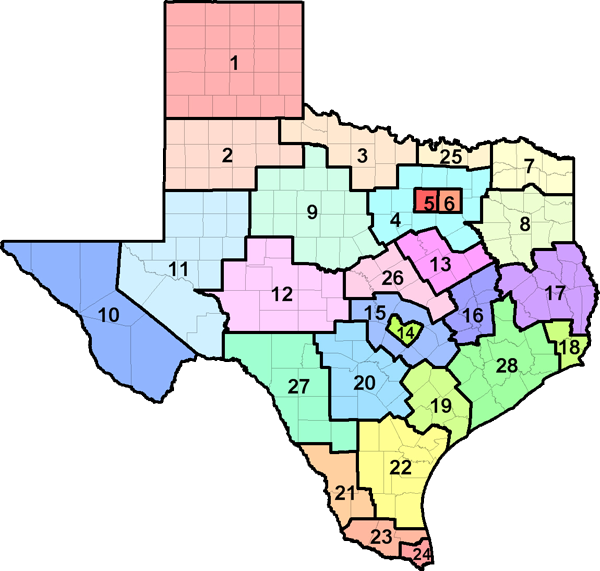
TEXAS COUNTY MAP BY WORKFORCE DEVELOPMENT AREA
* Due to confidentiality rules, not all regions may have the data displayed. The sum of all the regions may not be equal to the state total.


Top 10 Relevant Knowledge Areas Relevant Importance Levels
Biology
Knowledge of plant and animal organisms, their tissues, cells, functions, interdependencies, and interactions with each other and the environment.
94.60%
Chemistry
Knowledge of the chemical composition, structure, and properties of substances and of the chemical processes and transformations that they undergo. This includes uses of chemicals and their interactions, danger signs, production techniques, and disposal methods.
76.40%
English Language
Knowledge of the structure and content of the English language including the meaning and spelling of words, rules of composition, and grammar.
73.00%
Computers and Electronics
Knowledge of circuit boards, processors, chips, electronic equipment, and computer hardware and software, including applications and programming.
72.00%
Education and Training
Knowledge of principles and methods for curriculum and training design, teaching and instruction for individuals and groups, and the measurement of training effects.
70.40%
Mathematics
Knowledge of arithmetic, algebra, geometry, calculus, statistics, and their applications.
66.40%
Engineering and Technology
Knowledge of the practical application of engineering science and technology. This includes applying principles, techniques, procedures, and equipment to the design and production of various goods and services.
60.00%
Administrative
Knowledge of administrative and office procedures and systems such as word processing, managing files and records, stenography and transcription, designing forms, and workplace terminology.
58.20%
Customer and Personal Service
Knowledge of principles and processes for providing customer and personal services. This includes customer needs assessment, meeting quality standards for services, and evaluation of customer satisfaction.
58.20%
Public Safety and Security
Knowledge of relevant equipment, policies, procedures, and strategies to promote effective local, state, or national security operations for the protection of people, data, property, and institutions.
57.20%


Top 10 Relevant Skill Areas Relevant Importance Levels
Science
Using scientific rules and methods to solve problems.
92.40%
Reading Comprehension
Understanding written sentences and paragraphs in work-related documents.
82.40%
Writing
Communicating effectively in writing as appropriate for the needs of the audience.
80.00%
Critical Thinking
Using logic and reasoning to identify the strengths and weaknesses of alternative solutions, conclusions, or approaches to problems.
80.00%
Active Learning
Understanding the implications of new information for both current and future problem-solving and decision-making.
77.60%
Speaking
Talking to others to convey information effectively.
77.60%
Active Listening
Giving full attention to what other people are saying, taking time to understand the points being made, asking questions as appropriate, and not interrupting at inappropriate times.
77.60%
Judgment and Decision Making
Considering the relative costs and benefits of potential actions to choose the most appropriate one.
75.00%
Complex Problem Solving
Identifying complex problems and reviewing related information to develop and evaluate options and implement solutions.
72.40%
Learning Strategies
Selecting and using training/instructional methods and procedures appropriate for the situation when learning or teaching new things.
72.40%


Top 10 Relevant Abilities Relevant Importance Levels
Written Comprehension
The ability to read and understand information and ideas presented in writing.
85.00%
Written Expression
The ability to communicate information and ideas in writing so others will understand.
82.40%
Inductive Reasoning
The ability to combine pieces of information to form general rules or conclusions (includes finding a relationship among seemingly unrelated events).
82.40%
Problem Sensitivity
The ability to tell when something is wrong or is likely to go wrong. It does not involve solving the problem, only recognizing that there is a problem.
80.00%
Deductive Reasoning
The ability to apply general rules to specific problems to produce answers that make sense.
80.00%
Oral Expression
The ability to communicate information and ideas in speaking so others will understand.
80.00%
Category Flexibility
The ability to generate or use different sets of rules for combining or grouping things in different ways.
80.00%
Oral Comprehension
The ability to listen to and understand information and ideas presented through spoken words and sentences.
80.00%
Information Ordering
The ability to arrange things or actions in a certain order or pattern according to a specific rule or set of rules (e.g., patterns of numbers, letters, words, pictures, mathematical operations).
77.60%
Fluency of Ideas
The ability to come up with a number of ideas about a topic (the number of ideas is important, not their quality, correctness, or creativity).
75.00%


  • Working with Computers
    -- Using computers and computer systems (including hardware and software) to program, write software, set up functions, enter data, or process information.
  • Analyzing Data or Information
    -- Identifying the underlying principles, reasons, or facts of information by breaking down information or data into separate parts.
  • Getting Information
    -- Observing, receiving, and otherwise obtaining information from all relevant sources.
  • Documenting/Recording Information
    -- Entering, transcribing, recording, storing, or maintaining information in written or electronic/magnetic form.
  • Evaluating Information to Determine Compliance with Standards
    -- Using relevant information and individual judgment to determine whether events or processes comply with laws, regulations, or standards.
Other Activities


  • Achievement
    - Occupations that satisfy this work value are results oriented and allow employees to use their strongest abilities, giving them a feeling of accomplishment. Corresponding needs are Ability Utilization and Achievement.
  • Recognition
    - Occupations that satisfy this work value offer advancement, potential for leadership, and are often considered prestigious. Corresponding needs are Advancement, Authority, Recognition and Social Status.


Tools

Air samplers or collectors: Liquid impingers; Multistage agar impactors; Dichotomous particulate matter samplers; Bioaerosol impactors;

Anaerobic chamber: Anaerobic growth chambers;

Analytical balances: Analytical balances;

Automated cover slipping equipment: Automatic coverslipper;

Automated microscope stages: Micromanipulators;

Benchtop centrifuges: High-speed centrifuges; Desktop centrifuges;

Binocular light compound microscopes: Compound binocular light microscopes; Bright field light microscopes;

Blotting or transfer apparatus: Semidry blotting apparatus; Gel transfer apparatus;

Calorimeters: Microcalorimeters;

Circulating baths: Fecal coliform water baths;

Conductivity meters: Conductivity meters;

Counters: Bubble counters;

Cryogenic or liquid nitrogen freezers: Liquid nitrogen storage equipment;

Culture tubes: Culture tubes;

Darkfield microscopes: Phase contrast microscopes;

Decontamination shower: Chemical safety showers;

Deoxyribonucleic sequence analyzers: Deoxyribonucleic acid DNA sequencers;

Desktop computers: Desktop computers;

Developing tanks: Darkroom developing tanks;

Digital cameras: Charge coupled device CCD color digital cameras;

Dissolved oxygen meters: Dissolved oxygen meters;

Dropping pipettes: Dropping pipettes; Micropipettes;

Dry baths or heating blocks: Heat blocks; Dry bath incubators;

Dry heat or hot air sterilizers: Bacticinerators;

Dry wall single chamber carbon dioxide incubators: Direct heat dry wall carbon dioxide CO2 incubators;

Drying cabinets or ovens: Drying ovens;

Electronic counters: Colony counters;

Electronic encyclopedias: Hardy Diagnostics HUGO;

Electronic multichannel pipetters: 8-channel electronic pipettes;

Electronic toploading balances: Electronic toploading balances;

Electroporation cuvettes: Electroporators;

Eyewashers or eye wash stations: Eyewash fountains;

Fire extinguishers: Fire extinguishers;

Fluorescent microscopes: Fluorescent microscopes;

Forced air or mechanical convection general purpose incubators: Bacteriological incubators;

Freeze dryers or lyopholizers: Freeze dryers;

French pressure cells: French presses;

Gas burners: Laboratory gas burners;

Gas chromatographs: Gas chromatographs GC;

Gas generators: Gas-powered generators;

Gel boxes: Gel electrophoresis boxes; Gel support frames;

Gel documentation systems: Gel documentation systems;

General purpose refrigerators or refrigerator freezers: Laboratory refrigerators;

General purpose trays: Multiwell trays;

HEPA filtered enclosures: HEPA filtered biosafety cabinets;

High pressure liquid chromatograph chromatography: High pressure liquid chromatographs HPLC;

Homogenizers: Tissue homogenizers;

Hybridization ovens or incubators: Hybridization ovens;

Impedance meters: Impedance meters;

Infra red or ultra violet absorption analyzers: Infrared gas analyzers;

Infrared spectrometers: Mid-infrared spectrometers; Infrared IR spectrometers; Fourier transform infrared FTIR spectrometers;

Inverted microscopes: Inverted microscopes;

Laboratory adapters or connectors or fittings: Erlenmeyer flask clamps;

Laboratory balances: Precision pan balances; Micro balances;

Laboratory beakers: Laboratory beakers;

Laboratory flasks: Erlenmeyer flasks;

Laboratory funnels: Laboratory funnels;

Laboratory graduated cylinders: Graduated glass laboratory cylinders;

Laboratory heat exchange condensers: Laboratory heat exchange condensing devices;

Laboratory hotplates: Heating stirplates;

Laboratory incubator thermometers: Recording thermometers;

Laboratory membrane filters: Laboratory membrane filtering devices; Membrane filtration systems;

Laboratory mixers: Rotator mixers; Serology rotators;

Laboratory staining dishes or jars: Staining dishes; Coplin jars;

Laboratory vacuum pumps: Laboratory vacuum pumps;

Laboratory washing machines: Laboratory glassware washers;

Laminar flow cabinets or stations: Laminar flow cabinets;

Laser printers: Laser printers;

Lasers: Helium-neon lasers; Argon lasers;

Liquid chromatographs: Liquid chromatograph devices;

Magnetic stirrers: Magnetic laboratory stirrers;

Manual or electronic hematology differential cell counters: Automatic cell sorters;

Mass spectrometers: Mass spectrometers;

Microbiology analyzers: Automated microbial identification systems; Flow cytometers; Fluorescence activated cell sorters;

Microbiology fermentation equipment: Bioreactors;

Microbiology inoculation loops or needles: Inoculating loops;

Microbiology slide stainers: Automated gram stainers;

Microcentrifuges: Microcentrifuges;

Microplate readers: Multiplate readers; Enzyme-linked immunosorbent assay ELISA plate readers;

Microscope objectives: Oil-immersion microscope lenses;

Microscope slides: Microscope slides;

Multipurpose or general test tubes: Laboratory test tubes;

Notebook computers: Notebook computers;

Orbital shaking water baths: Orbital shaking water baths;

Osmometers: Osmometers;

Peristaltic pumps: Peristaltic pumps;

Personal computers: Personal computers;

Petri plates or dishes: Sectioned petri plates; Petri dishes;

pH meters: pH meters;

Photo attachments for microscopes: Photomicroscopes;

Pipette pumps: Pipette pumps;

Pipetter inserts or accessories: Rechargeable electronic pipette fillers;

Protective coats: Protective laboratory coats;

Protective gloves: Protective gloves;

Protective hood: Biological safety hoods;

Refrigerated baths: Refrigerated recirculating water baths;

Refrigerated benchtop centrifuges: Refrigerated benchtop centrifuges;

Respirators: Respirators;

Robotic or automated liquid handling systems: Automatic pipetters;

Rotating shakers: Floor shakers;

Safety glasses: Safety glasses;

Safety shoes: Safety shoes;

Scanning electron microscopes: Scanning electron microscopes SEM;

Shaking incubators: Shaking incubators; Orbital shaking incubators;

Specialty plates for bacteria: Prepared agar plates;

Specimen collection container: Water sample collection containers;

Spectrometers: Raman spectrometers; Visible spectrometers;

Spectrophotometers: Visible/UV light scanning spectrophotometers;

Spirit burners: Alcohol lamps;

Steam autoclaves or sterilizers: Autoclaves; Electronic sterilizers; Steroclaves;

Stereo or dissecting light microscopes: Dissecting microscopes;

Temperature cycling chambers or thermal cyclers: Thermocyclers;

Test tube racks: Test tube racks;

Tissue culture flasks: Culture bottles;

Transilluminators: Transilluminators;

Transmission electron microscopes: Transmission electron microscopes TEM;

Ultra cold or ultralow upright cabinets or freezers: Ultra cold biological freezers;

Ultra pure water systems: Deionized DI water systems; Water purification systems;

Ultracentrifuges: Ultracentrifuges;

Ultrasonic disintegrators: Sonicators;

Ultraviolet UV lamps: Ultraviolet UV lamps;

Vortex mixers: Vortex mixers;

X ray diffraction equipment: X ray diffractometers;


Technology

Analytical or scientific software: Assistant Software for Antimicrobial Susceptibility Interpretation ASASI; Basic Local Alignment Search Tool BLAST; BD Biosciences CellQuest; BD Biosciences CloneCyt; Bruker Optics OPUS; BtB Software Mycobacteriology Lab; Codon Usage Database; FindTarget; FramePlot; Gene Finder; Gene recognition software; Genie Interactive; Image capture and analysis software; Laboratory information management system LIMS; Computing Solutions LabSoft LIMS Micro; DM2 Bills of Lading; Pathogen Modeling Program PMP; PHYLIP; PIBWin; PredictProtein; Proscan; Protein databases; Protein Explorer; ProtScale; STARLIMS; Statistical software; TreeView; Verity Software House ModFit LT; NetLims AutoLims;

Data base user interface and query software: WHONET; Database management software; Microsoft Access;

Electronic mail software: Email software; Microsoft Outlook;

Enterprise resource planning ERP software: SAP software;

Information retrieval or search software: ComBase;

Internet browser software: Web browser software;

Medical software: Orchard Software Orchard Harvest LIS; Computer Service & Support CLS-2000 Laboratory System;

Office suite software: Microsoft Office software;

Operating system software: Microsoft Windows;

Presentation software: Microsoft PowerPoint;

Spreadsheet software: Microsoft Excel;

Word processing software: Microsoft Word; Word processing software;


Related O*NET occupational titles for Microbiologists include:
  • 19-1021.00 Biochemists and Biophysicists
  • 19-4021.00 Biological Technicians
  • 19-1029.04 Biologists
  • 19-2031.00 Chemists
  • 19-1041.00 Epidemiologists
  • 19-1029.03 Geneticists
  • 29-2011.04 Histotechnologists
  • 19-1042.00 Medical Scientists, Except Epidemiologists
  • 19-1029.02 Molecular and Cellular Biologists
  • 29-1222.00 Physicians, Pathologists


Sources of Additional Information
  • For more information about microbiologists, visit: American Society for Microbiology
  • International Union of Microbiological Societies
  • Society for Industrial Microbiology and Biotechnology
  • To find job openings for microbiologists in the federal government, visit: USAJOBS
  • For general information about careers and specialties in biological sciences, visit: American Institute of Biological Sciences
  • The American Society for Cell Biology
  • American Society for Clinical Pathology
  • Federation of American Societies for Experimental Biology
  • Microbiologists

  • Contact Texas Workforce Commission
    Labor Market and Career Information  |  101 E. 15th Street, Annex Room 0252  |  Austin, Texas 78778
    Official Website  |  1-800-822-PLAN (7526)  |  512.936.3200

    ** The information in this report may be derived from many sources like O*NET, BLS (Bureau of Labor Statistics), OOH (Occupational Outlook Handbook), and Career One Stop.