Occupation Summary

Career/Technical Education Teachers, Postsecondary

O*NET 25-1194.00

Description:

Teach vocational courses intended to provide occupational training below the baccalaureate level in subjects such as construction, mechanics/repair, manufacturing, transportation, or cosmetology, primarily to students who have graduated from or left high school. Teaching takes place in public or private schools whose primary business is academic or vocational education.

Annual Wages:
$69,905.00
Employment Rate:
Employment is expected to increase by 5.53%.
Education Level:
Associate's Degree (or other 2-year degree). According to O*Net, the majority of people employed in this occupation have this level of education.
Endorsement:
Public Service

  1. Supervise and monitor students' use of tools and equipment.
  2. Observe and evaluate students' work to determine progress, provide feedback, and make suggestions for improvement.
  3. Present lectures and conduct discussions to increase students' knowledge and competence using visual aids, such as graphs, charts, videotapes, and slides.
  4. Administer oral, written, or performance tests to measure progress and to evaluate training effectiveness.
  5. Prepare reports and maintain records, such as student grades, attendance rolls, and training activity details.
  6. Supervise independent or group projects, field placements, laboratory work, or other training.
  7. Determine training needs of students or workers.
  8. Provide individualized instruction and tutorial or remedial instruction.
  9. Conduct on-the-job training classes or training sessions to teach and demonstrate principles, techniques, procedures, or methods of designated subjects.
  10. Develop curricula and plan course content and methods of instruction.
  11. Prepare outlines of instructional programs and training schedules and establish course goals.
  12. Integrate academic and vocational curricula so that students can obtain a variety of skills.
  13. Develop teaching aids, such as instructional software, multimedia visual aids, or study materials.
  14. Select and assemble books, materials, supplies, and equipment for training, courses, or projects.
  15. Advise students on course selection, career decisions, and other academic and vocational concerns.
  16. Participate in conferences, seminars, and training sessions to keep abreast of developments in the field, and integrate relevant information into training programs.
  17. Serve on faculty and school committees concerned with budgeting, curriculum revision, and course and diploma requirements.
  18. Review enrollment applications and correspond with applicants to obtain additional information.
  19. Arrange for lectures by experts in designated fields.
  20. Acquire, maintain, and repair laboratory equipment and tools.


National Industry Employment Patterns


Industry % of Career/Technical Education Teachers, Postsecondary employed Annual Growth Rate
Junior colleges 38.2 -0.50
Technical and trade schools 37 0.17
Colleges, universities, and professional schools 12.6 0.34


Labor Market Information


2024 Statewide average hourly wage $33.61
2024 National average hourly wage $33.03
2022 National employment 113,000
2022 Texas employment 15,182
Texas projected employment by 2032 16,021
Texas projected annual employment and Turnover openings through 2032 1,297


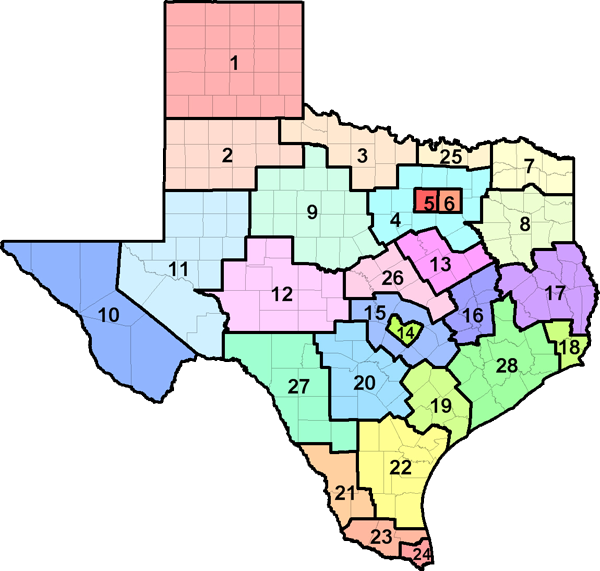
TEXAS COUNTY MAP BY WORKFORCE DEVELOPMENT AREA
* Due to confidentiality rules, not all regions may have the data displayed. The sum of all the regions may not be equal to the state total.


Top 10 Relevant Knowledge Areas Relevant Importance Levels
Education and Training
Knowledge of principles and methods for curriculum and training design, teaching and instruction for individuals and groups, and the measurement of training effects.
89.40%
English Language
Knowledge of the structure and content of the English language including the meaning and spelling of words, rules of composition, and grammar.
76.80%
Mechanical
Knowledge of machines and tools, including their designs, uses, repair, and maintenance.
74.80%
Mathematics
Knowledge of arithmetic, algebra, geometry, calculus, statistics, and their applications.
74.40%
Customer and Personal Service
Knowledge of principles and processes for providing customer and personal services. This includes customer needs assessment, meeting quality standards for services, and evaluation of customer satisfaction.
74.40%
Administrative
Knowledge of administrative and office procedures and systems such as word processing, managing files and records, stenography and transcription, designing forms, and workplace terminology.
71.00%
Engineering and Technology
Knowledge of the practical application of engineering science and technology. This includes applying principles, techniques, procedures, and equipment to the design and production of various goods and services.
70.80%
Computers and Electronics
Knowledge of circuit boards, processors, chips, electronic equipment, and computer hardware and software, including applications and programming.
68.00%
Administration and Management
Knowledge of business and management principles involved in strategic planning, resource allocation, human resources modeling, leadership technique, production methods, and coordination of people and resources.
67.00%
Public Safety and Security
Knowledge of relevant equipment, policies, procedures, and strategies to promote effective local, state, or national security operations for the protection of people, data, property, and institutions.
65.00%


Top 10 Relevant Skill Areas Relevant Importance Levels
Active Listening
Giving full attention to what other people are saying, taking time to understand the points being made, asking questions as appropriate, and not interrupting at inappropriate times.
80.00%
Learning Strategies
Selecting and using training/instructional methods and procedures appropriate for the situation when learning or teaching new things.
80.00%
Instructing
Teaching others how to do something.
80.00%
Reading Comprehension
Understanding written sentences and paragraphs in work-related documents.
77.60%
Speaking
Talking to others to convey information effectively.
77.60%
Active Learning
Understanding the implications of new information for both current and future problem-solving and decision-making.
77.60%
Critical Thinking
Using logic and reasoning to identify the strengths and weaknesses of alternative solutions, conclusions, or approaches to problems.
75.00%
Writing
Communicating effectively in writing as appropriate for the needs of the audience.
72.40%
Monitoring
Monitoring/Assessing performance of yourself, other individuals, or organizations to make improvements or take corrective action.
72.40%
Social Perceptiveness
Being aware of others' reactions and understanding why they react as they do.
65.00%


Top 10 Relevant Abilities Relevant Importance Levels
Oral Comprehension
The ability to listen to and understand information and ideas presented through spoken words and sentences.
80.00%
Oral Expression
The ability to communicate information and ideas in speaking so others will understand.
80.00%
Written Expression
The ability to communicate information and ideas in writing so others will understand.
77.60%
Written Comprehension
The ability to read and understand information and ideas presented in writing.
77.60%
Problem Sensitivity
The ability to tell when something is wrong or is likely to go wrong. It does not involve solving the problem, only recognizing that there is a problem.
75.00%
Speech Clarity
The ability to speak clearly so others can understand you.
75.00%
Speech Recognition
The ability to identify and understand the speech of another person.
72.40%
Deductive Reasoning
The ability to apply general rules to specific problems to produce answers that make sense.
72.40%
Inductive Reasoning
The ability to combine pieces of information to form general rules or conclusions (includes finding a relationship among seemingly unrelated events).
65.00%
Information Ordering
The ability to arrange things or actions in a certain order or pattern according to a specific rule or set of rules (e.g., patterns of numbers, letters, words, pictures, mathematical operations).
65.00%


  • Training and Teaching Others
    -- Identifying the educational needs of others, developing formal educational or training programs or classes, and teaching or instructing others.
  • Getting Information
    -- Observing, receiving, and otherwise obtaining information from all relevant sources.
  • Updating and Using Relevant Knowledge
    -- Keeping up-to-date technically and applying new knowledge to your job.
  • Coaching and Developing Others
    -- Identifying the developmental needs of others and coaching, mentoring, or otherwise helping others to improve their knowledge or skills.
  • Organizing, Planning, and Prioritizing Work
    -- Developing specific goals and plans to prioritize, organize, and accomplish your work.
Other Activities


  • Achievement
    - Occupations that satisfy this work value are results oriented and allow employees to use their strongest abilities, giving them a feeling of accomplishment. Corresponding needs are Ability Utilization and Achievement.
  • Relationships
    - Occupations that satisfy this work value allow employees to provide service to others and work with co-workers in a friendly non-competitive environment. Corresponding needs are Co-workers, Moral Values and Social Service.


Tools

Anatomical human mannequins for medical education or training: Educational anatomy models;

Bar code reader equipment: Handheld bar code readers;

Battery hydrometer: Battery conductance testers;

Bearing fitting tool kits: Cam bearing driver sets;

Brake drum lathe: Brake drum lathes;

Brake repair kits: Brake shoe adjusting gauges; Brake spoons; Brake spring removers;

Brake spring pliers: Brake spring pliers;

Calipers: Digital calipers;

Clutch repair kits: Clutch alignment sets;

Compact disk players or recorders: Compact disk CD players;

Desktop computers: Desktop computers;

Digital camcorders or video cameras: Digital camcorders; Digital video cameras;

Digital cameras: Compact digital cameras;

Digital video disk players or recorders: Digital video disk DVD players;

Domestic hair dryers: Stationary hairdryers; Blowdryers;

Electric hair clipper: Hair clippers;

Electric vehicle charging kit: Refrigerant charging stations;

Electronic reader or E-reader: E-readers;

Engine tune up tester: Engine analyzers;

Engravers: Laser engravers;

Epidiascopes: Opaque projectors;

Flat nose pliers: Boot clamp pliers;

Glue guns: Hot glue guns;

Hair combs or brushes: Hairbrushes;

Hand trucks or accessories: Hand trucks;

Handheld thermometer: Electronic thermometers;

High capacity removable media drives: Universal serial bus USB flash drives;

Hold down clamps: Hose clamps;

Hole punching units: Hole punchers;

Industrial hydraulic press: Hydraulic presses;

Injectors: Dye injectors;

Inkjet printers: Poster printers;

Label making machines: Label makers;

Laminators: Laminating equipment;

Laser fax machine: Laser facsimile machines;

Laser printers: Computer laser printers;

Liquid crystal display projector: Liquid crystal display LCD projectors;

Liquid level controls or instruments: Coolant testers;

Medical acoustic stethoscopes: Mechanical stethoscopes;

Medical gas cylinders or related devices: Oxygen tanks;

Mercury blood pressure units: Manual blood pressure cuffs;

Micrometers: Brake disc micrometers; Brake drum micrometers;

Microphone stand: Microphone podiums;

Microphones: Handheld microphones; Wireless microphones;

Mobile medical services first aid kits: Emergency first aid kits;

MP3 players or recorders: MP3 digital voice recorders;

Multimedia projectors: Multimedia projection equipment; Computer projectors;

Nebulizers: Handheld nebulizers;

Notebook computers: Laptop computers;

Ophthalmic lensometers: Optometric lensometers;

Ophthalmoscopes or otoscopes or scope sets: Otoscopes;

Overhead projectors: Overhead data projectors;

Paper cutters or refills: Paper cutters;

Patient restraint boards: Arm board stabilizers;

Photocopiers: Photocopying equipment;

Pneumatic hammer: Air chisel sets;

Pneumatic vacuum equipment: Brake bleeders;

Portable data input terminals: Interactive whiteboard controllers; Student response systems;

Power grease gun: Handheld grease guns;

Power steering tuning cable: Power steering pump pulleys;

Pressure gauge: Ball gauges; Hydraulic pressure gauge sets;

Pressure indicators: Cooling system pressure testers;

Pressure regulator: Air pressure regulators;

Projection screens or displays: Projector screens;

Ratchets: Air ratchets;

Scanners: Computer data input scanners;

Scientific calculator: Digital calculators;

Screwdrivers: Screwdriver sets;

Shears: Hair cutting shears;

Slide projectors: Carousel slide projectors;

Soldering iron: Soldering guns;

Sound detector: Automotive stethoscopes;

Spark plug gap gauge: Spark plug feeler gauges;

Special purpose telephones: Multi-line telephone systems;

Spirometers: Spirometers;

Steam autoclaves or sterilizers: Autoclave sterilizers;

Surgical clamps or clips or forceps: Dressing forceps;

Swiveling barber chair: Shampoo chairs;

Tablet computers: Tablet computers;

Taps: Tap and die sets;

Teleconference equipment: Conference telephones;

Televisions: Liquid crystal display LCD televisions; Television monitors;

Tire pressure gauge: Tire pressure gauges;

Touch screen monitors: Interactive whiteboards;

Vehicle jack: Vehicle jack stands;

Videoconferencing systems: Videoconferencing equipment;

Web cameras: Webcams;

Wheel alignment equipment: Wheel aligners;

Wheel balancing equipment: Wheel balancers;


Technology

Calendar and scheduling software: Calendar and scheduling software;

Computer based training software: Blackboard Learn; Common Curriculum; Course management system software; Desire2Learn LMS software; Learning management system LMS; Moodle; Sakai CLE;

Data base user interface and query software: Blackboard software; Career management systems CMS;

Desktop communications software: Edmodo;

Electronic mail software: Email software; Microsoft Outlook;

Information retrieval or search software: iParadigms Turnitin; DOC Cop;

Instant messaging software: GroupMe;

Internet browser software: Web browser software;

Medical software: Medical condition coding software; Medical procedure coding software;

Office suite software: Microsoft Office software;

Optical character reader OCR or scanning software: Image scanning software;

Presentation software: Microsoft PowerPoint;

Project management software: Google Classroom;

Spreadsheet software: Microsoft Excel;

Word processing software: Google Docs; Collaborative editing software; Microsoft Word;


Related O*NET occupational titles for Career/Technical Education Teachers, Postsecondary include:
  • 25-2023.00 Career/Technical Education Teachers, Middle School
  • 25-2032.00 Career/Technical Education Teachers, Secondary School
  • 25-1021.00 Computer Science Teachers, Postsecondary
  • 25-1032.00 Engineering Teachers, Postsecondary
  • 25-9031.00 Instructional Coordinators
  • 25-2056.00 Special Education Teachers, Elementary School
  • 25-2055.00 Special Education Teachers, Kindergarten
  • 25-9042.00 Teaching Assistants, Preschool, Elementary, Middle, and Secondary School, Except Special Education
  • 25-9043.00 Teaching Assistants, Special Education
  • 13-1151.00 Training and Development Specialists


Sources of Additional Information
  • For more information about career and technical education teachers, visit: Association for Career and Technical Education
  • Advance CTE
  • For more information about teaching and becoming a teacher, visit: Teach.org
  • Career/Technical Education Teachers, Middle School
  • Career/Technical Education Teachers, Postsecondary
  • Career/Technical Education Teachers, Secondary School

  • Contact Texas Workforce Commission
    Labor Market and Career Information  |  101 E. 15th Street, Annex Room 0252  |  Austin, Texas 78778
    Official Website  |  1-800-822-PLAN (7526)  |  512.936.3200

    ** The information in this report may be derived from many sources like O*NET, BLS (Bureau of Labor Statistics), OOH (Occupational Outlook Handbook), and Career One Stop.