Occupation Summary

Physical Therapists

O*NET 29-1123.00

Description:

Assess, plan, organize, and participate in rehabilitative programs that improve mobility, relieve pain, increase strength, and improve or correct disabling conditions resulting from disease or injury.

Annual Wages:
$106,450.00
Employment Rate:
Employment is expected to increase by 21.91%.
Education Level:
Doctoral Degree. According to O*Net, the majority of people employed in this occupation have this level of education.
Endorsement:
Public Service, Science Technology Engineering and Math (STEM)

  1. Plan, prepare, or carry out individually designed programs of physical treatment to maintain, improve, or restore physical functioning, alleviate pain, or prevent physical dysfunction in patients.
  2. Perform and document an initial exam, evaluating data to identify problems and determine a diagnosis prior to intervention.
  3. Evaluate effects of treatment at various stages and adjust treatments to achieve maximum benefit.
  4. Administer manual exercises, massage, or traction to help relieve pain, increase patient strength, or decrease or prevent deformity or crippling.
  5. Instruct patient and family in treatment procedures to be continued at home.
  6. Confer with the patient, medical practitioners, or appropriate others to plan, implement, or assess the intervention program.
  7. Review physician's referral and patient's medical records to help determine diagnosis and physical therapy treatment required.
  8. Record prognosis, treatment, response, and progress in patient's chart or enter information into computer.
  9. Obtain patients' informed consent to proposed interventions.
  10. Discharge patient from physical therapy when goals or projected outcomes have been attained and provide for appropriate follow-up care or referrals.
  11. Test and measure patient's strength, motor development and function, sensory perception, functional capacity, or respiratory or circulatory efficiency and record data.
  12. Identify and document goals, anticipated progress, and plans for reevaluation.
  13. Provide information to the patient about the proposed intervention, its material risks and expected benefits, and any reasonable alternatives.
  14. Direct, supervise, assess, and communicate with supportive personnel.
  15. Administer treatment involving application of physical agents, using equipment, moist packs, ultraviolet or infrared lamps, or ultrasound machines.
  16. Teach physical therapy students or those in other health professions.
  17. Evaluate, fit, or adjust prosthetic or orthotic devices or recommend modification to orthotist.
  18. Provide educational information about physical therapy or physical therapists, injury prevention, ergonomics, or ways to promote health.
  19. Refer clients to community resources or services.
  20. Conduct or support research and apply research findings to practice.
  21. Participate in community or community agency activities or help to formulate public policy.
  22. Construct, maintain, or repair medical supportive devices.
  23. Direct group rehabilitation activities.
  24. Inform patients and refer to appropriate practitioners when diagnosis reveals findings outside physical therapy.


National Industry Employment Patterns


Industry % of Physical Therapists employed Annual Growth Rate
Offices of other health practitioners 36 2.33
General medical and surgical hospitals 23 0.35
Home health care services 10.3 1.85
Offices of physicians 6 0.59
Specialty (except psychiatric and substance abuse) hospitals 4.9 0.96
Nursing care facilities (skilled nursing facilities) 4.4 -0.28
Elementary and secondary schools 2.4 0.00
Outpatient care centers 2.2 1.84


Labor Market Information


2024 Statewide average hourly wage $51.18
2024 National average hourly wage $49.23
2022 National employment 246,800
2022 Texas employment 17,073
Texas projected employment by 2032 20,813
Texas projected annual employment and Turnover openings through 2032 1,103


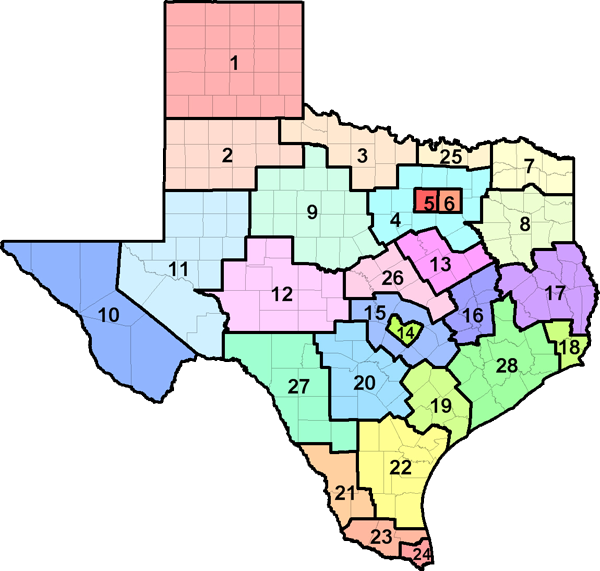
TEXAS COUNTY MAP BY WORKFORCE DEVELOPMENT AREA
* Due to confidentiality rules, not all regions may have the data displayed. The sum of all the regions may not be equal to the state total.


Top 10 Relevant Knowledge Areas Relevant Importance Levels
Customer and Personal Service
Knowledge of principles and processes for providing customer and personal services. This includes customer needs assessment, meeting quality standards for services, and evaluation of customer satisfaction.
92.20%
Therapy and Counseling
Knowledge of principles, methods, and procedures for diagnosis, treatment, and rehabilitation of physical and mental dysfunctions, and for career counseling and guidance.
91.80%
Medicine and Dentistry
Knowledge of the information and techniques needed to diagnose and treat human injuries, diseases, and deformities. This includes symptoms, treatment alternatives, drug properties and interactions, and preventive health-care measures.
91.40%
Psychology
Knowledge of human behavior and performance; individual differences in ability, personality, and interests; learning and motivation; psychological research methods; and the assessment and treatment of behavioral and affective disorders.
82.20%
Education and Training
Knowledge of principles and methods for curriculum and training design, teaching and instruction for individuals and groups, and the measurement of training effects.
79.60%
English Language
Knowledge of the structure and content of the English language including the meaning and spelling of words, rules of composition, and grammar.
79.60%
Biology
Knowledge of plant and animal organisms, their tissues, cells, functions, interdependencies, and interactions with each other and the environment.
74.00%
Physics
Knowledge and prediction of physical principles, laws, their interrelationships, and applications to understanding fluid, material, and atmospheric dynamics, and mechanical, electrical, atomic and sub-atomic structures and processes.
64.00%
Administration and Management
Knowledge of business and management principles involved in strategic planning, resource allocation, human resources modeling, leadership technique, production methods, and coordination of people and resources.
64.00%
Sociology and Anthropology
Knowledge of group behavior and dynamics, societal trends and influences, human migrations, ethnicity, cultures, and their history and origins.
62.40%


Top 10 Relevant Skill Areas Relevant Importance Levels
Reading Comprehension
Understanding written sentences and paragraphs in work-related documents.
80.00%
Active Listening
Giving full attention to what other people are saying, taking time to understand the points being made, asking questions as appropriate, and not interrupting at inappropriate times.
80.00%
Speaking
Talking to others to convey information effectively.
80.00%
Critical Thinking
Using logic and reasoning to identify the strengths and weaknesses of alternative solutions, conclusions, or approaches to problems.
80.00%
Social Perceptiveness
Being aware of others' reactions and understanding why they react as they do.
80.00%
Service Orientation
Actively looking for ways to help people.
80.00%
Monitoring
Monitoring/Assessing performance of yourself, other individuals, or organizations to make improvements or take corrective action.
77.60%
Writing
Communicating effectively in writing as appropriate for the needs of the audience.
77.60%
Judgment and Decision Making
Considering the relative costs and benefits of potential actions to choose the most appropriate one.
75.00%
Time Management
Managing one's own time and the time of others.
72.40%


Top 10 Relevant Abilities Relevant Importance Levels
Oral Comprehension
The ability to listen to and understand information and ideas presented through spoken words and sentences.
80.00%
Written Comprehension
The ability to read and understand information and ideas presented in writing.
80.00%
Oral Expression
The ability to communicate information and ideas in speaking so others will understand.
80.00%
Written Expression
The ability to communicate information and ideas in writing so others will understand.
77.60%
Problem Sensitivity
The ability to tell when something is wrong or is likely to go wrong. It does not involve solving the problem, only recognizing that there is a problem.
77.60%
Deductive Reasoning
The ability to apply general rules to specific problems to produce answers that make sense.
77.60%
Inductive Reasoning
The ability to combine pieces of information to form general rules or conclusions (includes finding a relationship among seemingly unrelated events).
77.60%
Information Ordering
The ability to arrange things or actions in a certain order or pattern according to a specific rule or set of rules (e.g., patterns of numbers, letters, words, pictures, mathematical operations).
77.60%
Speech Recognition
The ability to identify and understand the speech of another person.
75.00%
Speech Clarity
The ability to speak clearly so others can understand you.
75.00%


  • Assisting and Caring for Others
    -- Providing personal assistance, medical attention, emotional support, or other personal care to others such as coworkers, customers, or patients.
  • Documenting/Recording Information
    -- Entering, transcribing, recording, storing, or maintaining information in written or electronic/magnetic form.
  • Making Decisions and Solving Problems
    -- Analyzing information and evaluating results to choose the best solution and solve problems.
  • Performing for or Working Directly with the Public
    -- Performing for people or dealing directly with the public. This includes serving customers in restaurants and stores, and receiving clients or guests.
  • Getting Information
    -- Observing, receiving, and otherwise obtaining information from all relevant sources.
Other Activities


  • Achievement
    - Occupations that satisfy this work value are results oriented and allow employees to use their strongest abilities, giving them a feeling of accomplishment. Corresponding needs are Ability Utilization and Achievement.
  • Relationships
    - Occupations that satisfy this work value allow employees to provide service to others and work with co-workers in a friendly non-competitive environment. Corresponding needs are Co-workers, Moral Values and Social Service.


Tools

Back or lumbar or sacral orthopedic softgoods: Sacro-illiac joint lumbar corsets;

Balance beams or boards or bolsters or rockers for rehabilitation or therapy: Bolsters/wedges; Balance beams; Balance boards;

Biofeedback devices: Biofeedback units;

Blood pressure cuff kits: Blood pressure cuffs;

Canes: Canes;

Cardiac output CO monitoring units: Heart rate monitors; Portable cardiac monitors;

Cervical collars or neck braces: Neck braces;

Cognitive or dexterity or perceptual or sensory evaluation or testing products: Electronic manual muscle testers; Digital inclinometer range of motion measurement instruments; Muscle testing equipment;

Continuous passive motion CPM devices: Continuous passive motion CPM machines;

Crutches: Crutches;

Diathermy units: Diathermy equipment;

Digital camcorders or video cameras: Digital video cameras; Digital video equipment;

Digital cameras: Digital cameras;

Dynamometers: Muscle strength dynamometers;

Electric vibrators for rehabilitation or therapy: Massagers;

Electromyography EMG units: Electromyographs EMG; Surface electromyography equipment;

Electronic blood pressure units: Electronic blood pressure units;

Electrotherapy combination units: Interferential electrical stimulation machines; Iontophoresis equipment;

Exercise trampolines: Rebounders;

Extremity hydrotherapy baths or tanks: Fluidotherapy equipment;

Force or torque sensors: Force sensors;

Full body immersion hydrotherapy baths or tanks: Whirlpool therapy baths;

Gait belts for rehabilitation or therapy: Gait belts;

Galvanic or faradic stimulators: High-voltage galvanic stimulation machines; Low volt muscle stimulators;

Goniometers or arthrometers: Goniometers or arthrometers;

Grip strengthener: Isotonic exercise equipment; Hydraulic hand dynamometers;

Infrared lamps: Infrared lamps;

Knee therapeutic brace or support: Knee braces;

Laser printers: Laser printers;

Lower body resistance machines: Isokinetic lower body testing/rehabilitation equipment;

Lower extremity prosthetic devices: Above-the-knee prosthetics; Below-the-knee prosthetics;

Mats or platforms for rehabilitation or therapy: Biomechanical ankle platform system BAPS systems;

Medical acoustic stethoscopes: Mechanical stethoscopes;

Medical hydrocollators: Hydrocollator heating units;

Neuromuscular stimulators or kits: Neuromuscular stimulation equipment; Functional electrical stimulation FES equipment;

Notebook computers: Laptop computers;

Ophthalmoscopes or otoscopes or scope sets: Otoscopes;

Orthopedic traction hardware or weights: Traction equipment;

Orthopedic traction softgoods for general use: Traction belts;

Orthotics or foot care products: Orthotics;

Parallel bars for rehabilitation or therapy: Parallel bars;

Patient care beds for general use: Hospital roto beds;

Patient care beds for specialty care: Adjusting tables; Standing tables; Tilt tables;

Patient lifts: Total lift chairs; Hoyer lifts;

Patient shifting boards: Sliding boards;

Pedal exercisers for rehabilitation or therapy: Exercise bicycles;

Pelvis or back traction supplies: Pelvic traction equipment;

Personal computers: Personal computers;

Pivotal traction therapy supplies: Occipivots; Lumbar pivots; Cervical pivots; Thoracic pivots;

Powder boards for rehabilitation or therapy: Powder boards;

Pulleys for rehabilitation or therapy: Pulley exercise systems; Wall pulleys;

Reachers for the physically challenged: Reachers;

Reflex hammers or mallets: Neurological hammers; Babinski hammers; Percussion hammers;

Resistive exercise bands or putty or tubing for rehabilitation or therapy: Resistive exercise bands; Resistive tubing;

Rowing machines: Rowing machines;

Stair climbers: Stepper exercisers;

Therapeutic balls: Swiss exercise balls; Exercise balls;

Therapeutic cryo compression therapy systems: Cryotherapy equipment;

Therapeutic heating or cooling pads or compresses or packs: Ice packs; Moist hot packs;

Therapeutic paraffin baths: Paraffin baths;

Training stairs for rehabilitation or therapy: Training stairs;

Transcutaneous electric nerve stimulation units: Transcutaneous electric nerve stimulation TENS equipment;

Treadmill exercisers for rehabilitation or therapy: Therapeutic treadmill exercisers; Aquacisers;

Ultrasonic therapy apparatus or supplies: Phonopheresis equipment; Ultrasound machines;

Ultraviolet UV lamps: Ultraviolet UV lamps;

Upper body resistance machines: Isokinetic upper body testing/rehabilitation equipment;

Upper extremity prosthetic devices: Arm prosthetics;

Vascular or compression apparel or support: Compression garments;

Vestibular motion devices for rehabilitation or therapy: Computerized dynamic posturography (CDP) balance test systems;

Walkers or rollators: Walkers;

Walking braces: Walking braces;

Weight machines for rehabilitation or therapy: Fitness machines; Multiaxial exercise equipment;

Weights or sets for rehabilitation or therapy: Weights;

Wheelchairs: Wheelchairs;

Work table or station for rehabilitation or therapy: Inversion physical therapy tables; Axial-resistance shoulder wheels; Traction and mobilization physical therapy tables; Upper body ergometers; Shoulder wheels;

Wrist exercisers for rehabilitation or therapy: Shoulder finger ladders;


Technology

Accounting software: MediGraph;

Action games: Biometrics video game software;

Analytical or scientific software: Cedaron Dexter Evaluation & Impairment Rating;

Calendar and scheduling software: SpectraSoft AppointmentsCS;

Electronic mail software: Microsoft Outlook;

Medical software: Advantage Software Physical Therapy Advantage; Patient charting software; Prognosis Innovation Healthcare ChartAccess; Recordkeeping software; Rehab Documentation Company ReDoc Suite; Clinicient Insight; eClinicalWorks EHR software; MEDITECH software; Hands On Technology TheraWriter.PT; Medical condition coding software; Medical procedure coding software;

Office suite software: Microsoft Office software;

Spreadsheet software: Microsoft Excel;

Word processing software: Exercise routine creation software; Microsoft Word;


Related O*NET occupational titles for Physical Therapists include:
  • 29-1141.01 Acute Care Nurses
  • 29-1141.02 Advanced Practice Psychiatric Nurses
  • 29-1141.04 Clinical Nurse Specialists
  • 29-1214.00 Emergency Medicine Physicians
  • 29-1171.00 Nurse Practitioners
  • 29-1122.00 Occupational Therapists
  • 29-1242.00 Orthopedic Surgeons, Except Pediatric
  • 29-1243.00 Pediatric Surgeons
  • 29-1229.04 Physical Medicine and Rehabilitation Physicians
  • 29-1125.00 Recreational Therapists


Sources of Additional Information
  • For more information about physical therapists, visit: American Physical Therapy Association
  • For more information about accredited physical therapy programs, visit: Commission on Accreditation in Physical Therapy Education
  • For more information about state licensing requirements and about the National Physical Therapy Exam, visit: Federation of State Boards of Physical Therapy
  • For more information about certification, visit: American Board of Physical Therapy Specialties
  • For more information about residency and fellowship opportunities, visit: American Board of Physical Therapy Residency and Fellowship Education
  • For more information about how to apply to DPT programs, visit: Physical Therapist Centralized Application Service (PTCAS)
  • For a career video on physical therapists, visit: Physical Therapists
  • Physical Therapists

  • Contact Texas Workforce Commission
    Labor Market and Career Information  |  101 E. 15th Street, Annex Room 0252  |  Austin, Texas 78778
    Official Website  |  1-800-822-PLAN (7526)  |  512.936.3200

    ** The information in this report may be derived from many sources like O*NET, BLS (Bureau of Labor Statistics), OOH (Occupational Outlook Handbook), and Career One Stop.