Occupation Summary

Veterinary Assistants and Laboratory Animal Caretakers

O*NET 31-9096.00

Description:

Feed, water, and examine pets and other nonfarm animals for signs of illness, disease, or injury in laboratories and animal hospitals and clinics. Clean and disinfect cages and work areas, and sterilize laboratory and surgical equipment. May provide routine postoperative care, administer medication orally or topically, or prepare samples for laboratory examination under the supervision of veterinary or laboratory animal technologists or technicians, veterinarians, or scientists.

Annual Wages:
$33,169.00
Employment Rate:
Employment is expected to increase by 37.02%.
Education Level:
High School Diploma - or the equivalent (for example, GED). According to O*Net, the majority of people employed in this occupation have this level of education.
Endorsement:
Business and Industry, Science Technology Engineering and Math (STEM)

  1. Monitor animals recovering from surgery and notify veterinarians of any unusual changes or symptoms.
  2. Administer anesthetics during surgery and monitor the effects on animals.
  3. Clean, maintain, and sterilize instruments or equipment.
  4. Administer medication, immunizations, or blood plasma to animals as prescribed by veterinarians.
  5. Provide emergency first aid to sick or injured animals.
  6. Clean and maintain kennels, animal holding areas, examination or operating rooms, or animal loading or unloading facilities to control the spread of disease.
  7. Hold or restrain animals during veterinary procedures.
  8. Perform routine laboratory tests or diagnostic tests, such as taking or developing x-rays.
  9. Fill medication prescriptions.
  10. Collect laboratory specimens, such as blood, urine, or feces, for testing.
  11. Examine animals to detect behavioral changes or clinical symptoms that could indicate illness or injury.
  12. Assist veterinarians in examining animals to determine the nature of illnesses or injuries.
  13. Prepare surgical equipment and pass instruments or materials to veterinarians during surgical procedures.
  14. Perform enemas, catheterizations, ear flushes, intravenous feedings, or gavages.
  15. Prepare feed for animals according to specific instructions, such as diet lists or schedules.
  16. Exercise animals or provide them with companionship.
  17. Record information relating to animal genealogy, feeding schedules, appearance, behavior, or breeding.
  18. Educate or advise clients on animal health care, nutrition, or behavior problems.
  19. Perform hygiene-related duties, such as clipping animals' claws or cleaning and polishing teeth.
  20. Prepare examination or treatment rooms by stocking them with appropriate supplies.
  21. Provide assistance with euthanasia of animals or disposal of corpses.
  22. Perform office reception duties, such as scheduling appointments or helping customers.
  23. Dust, spray, or bathe animals to control insect pests.
  24. Write reports, maintain research information, or perform clerical duties.
  25. Perform accounting duties, such as bookkeeping, billing customers for services, or maintaining inventories.
  26. Sell pet food or supplies to customers.
  27. Groom, trim, or clip animals' coats.
  28. Place orders to restock inventory of hospital or laboratory supplies.


National Industry Employment Patterns


Industry % of Veterinary Assistants and Laboratory Animal Caretakers employed Annual Growth Rate
Other professional, scientific, and technical services 90.6 2.01
Colleges, universities, and professional schools 3.4 0.25
Scientific research and development services 2 0.43


Labor Market Information


2024 Statewide average hourly wage $15.95
2024 National average hourly wage $18.74
2022 National employment 114,800
2022 Texas employment 7,356
Texas projected employment by 2032 10,079
Texas projected annual employment and Turnover openings through 2032 1,953


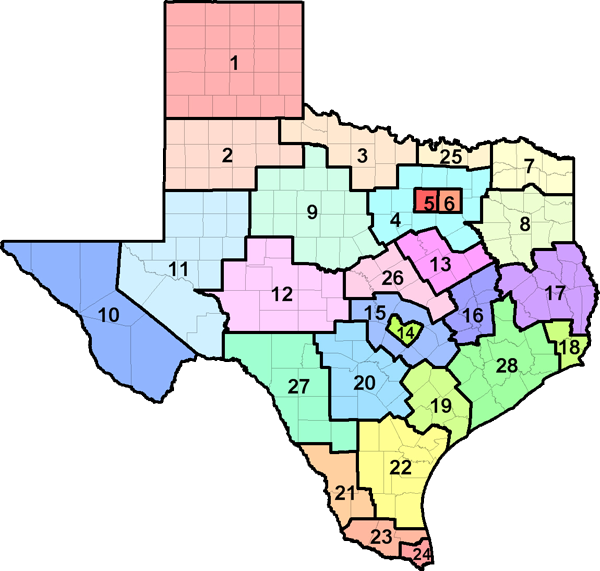
TEXAS COUNTY MAP BY WORKFORCE DEVELOPMENT AREA
* Due to confidentiality rules, not all regions may have the data displayed. The sum of all the regions may not be equal to the state total.


Top 10 Relevant Knowledge Areas Relevant Importance Levels
Customer and Personal Service
Knowledge of principles and processes for providing customer and personal services. This includes customer needs assessment, meeting quality standards for services, and evaluation of customer satisfaction.
86.60%
English Language
Knowledge of the structure and content of the English language including the meaning and spelling of words, rules of composition, and grammar.
76.60%
Biology
Knowledge of plant and animal organisms, their tissues, cells, functions, interdependencies, and interactions with each other and the environment.
71.20%
Administrative
Knowledge of administrative and office procedures and systems such as word processing, managing files and records, stenography and transcription, designing forms, and workplace terminology.
70.20%
Medicine and Dentistry
Knowledge of the information and techniques needed to diagnose and treat human injuries, diseases, and deformities. This includes symptoms, treatment alternatives, drug properties and interactions, and preventive health-care measures.
70.00%
Computers and Electronics
Knowledge of circuit boards, processors, chips, electronic equipment, and computer hardware and software, including applications and programming.
63.60%
Mathematics
Knowledge of arithmetic, algebra, geometry, calculus, statistics, and their applications.
57.40%
Communications and Media
Knowledge of media production, communication, and dissemination techniques and methods. This includes alternative ways to inform and entertain via written, oral, and visual media.
52.60%
Sales and Marketing
Knowledge of principles and methods for showing, promoting, and selling products or services. This includes marketing strategy and tactics, product demonstration, sales techniques, and sales control systems.
52.00%
Telecommunications
Knowledge of transmission, broadcasting, switching, control, and operation of telecommunications systems.
51.60%


Top 10 Relevant Skill Areas Relevant Importance Levels
Active Listening
Giving full attention to what other people are saying, taking time to understand the points being made, asking questions as appropriate, and not interrupting at inappropriate times.
70.00%
Critical Thinking
Using logic and reasoning to identify the strengths and weaknesses of alternative solutions, conclusions, or approaches to problems.
65.00%
Reading Comprehension
Understanding written sentences and paragraphs in work-related documents.
62.40%
Service Orientation
Actively looking for ways to help people.
62.40%
Writing
Communicating effectively in writing as appropriate for the needs of the audience.
62.40%
Monitoring
Monitoring/Assessing performance of yourself, other individuals, or organizations to make improvements or take corrective action.
62.40%
Social Perceptiveness
Being aware of others' reactions and understanding why they react as they do.
60.00%
Coordination
Adjusting actions in relation to others' actions.
60.00%
Speaking
Talking to others to convey information effectively.
60.00%
Time Management
Managing one's own time and the time of others.
60.00%


Top 10 Relevant Abilities Relevant Importance Levels
Oral Expression
The ability to communicate information and ideas in speaking so others will understand.
67.60%
Oral Comprehension
The ability to listen to and understand information and ideas presented through spoken words and sentences.
67.60%
Problem Sensitivity
The ability to tell when something is wrong or is likely to go wrong. It does not involve solving the problem, only recognizing that there is a problem.
65.00%
Written Expression
The ability to communicate information and ideas in writing so others will understand.
65.00%
Information Ordering
The ability to arrange things or actions in a certain order or pattern according to a specific rule or set of rules (e.g., patterns of numbers, letters, words, pictures, mathematical operations).
65.00%
Deductive Reasoning
The ability to apply general rules to specific problems to produce answers that make sense.
62.40%
Manual Dexterity
The ability to quickly move your hand, your hand together with your arm, or your two hands to grasp, manipulate, or assemble objects.
62.40%
Near Vision
The ability to see details at close range (within a few feet of the observer).
62.40%
Speech Recognition
The ability to identify and understand the speech of another person.
60.00%
Speech Clarity
The ability to speak clearly so others can understand you.
60.00%


  • Documenting/Recording Information
    -- Entering, transcribing, recording, storing, or maintaining information in written or electronic/magnetic form.
  • Performing General Physical Activities
    -- Performing physical activities that require considerable use of your arms and legs and moving your whole body, such as climbing, lifting, balancing, walking, stooping, and handling materials.
  • Communicating with Supervisors, Peers, or Subordinates
    -- Providing information to supervisors, co-workers, and subordinates by telephone, in written form, e-mail, or in person.
  • Assisting and Caring for Others
    -- Providing personal assistance, medical attention, emotional support, or other personal care to others such as coworkers, customers, or patients.
  • Monitoring Processes, Materials, or Surroundings
    -- Monitoring and reviewing information from materials, events, or the environment, to detect or assess problems.
Other Activities


  • Relationships
    - Occupations that satisfy this work value allow employees to provide service to others and work with co-workers in a friendly non-competitive environment. Corresponding needs are Co-workers, Moral Values and Social Service.
  • Support
    - Occupations that satisfy this work value offer supportive management that stands behind employees. Corresponding needs are Company Policies, Supervision: Human Relations and Supervision: Technical.


Tools

Animal catching devices: Animal restraints;

Animal shearing or clipping equipment: Animal razors; Electric animal clippers;

Animal weighing scales: Electronic animal scales;

Bar code reader equipment: Microchip readers;

Benchtop centrifuges: Benchtop centrifuges;

Binocular light compound microscopes: Optical compound microscopes;

Blood collection syringes: Blood collection syringes;

Chemical or gas sterilizers: Chemical sterilizers;

Clothes dryers: Commercial dryers;

Desktop computers: Desktop computers;

Digital cameras: Digital cameras;

Full body immersion hydrotherapy baths or tanks: Veterinary immersion hydrotherapy equipment;

Gas anesthesia apparatus or machines: Veterinary anesthesia machines;

Handheld refractometers or polarimeters: Handheld refractometers;

Hematology analyzers: Hematology analyzers;

Intravenous tubing with catheter administration kits: Intravenous IV administration sets;

Label making machines: Label printers;

Laboratory beakers: Glass beakers;

Laboratory forceps: Laboratory forceps;

Laundry type washing machines: Commercial washing machines;

Medical acoustic stethoscopes: Mechanical stethoscopes;

Medical picture archiving computer systems PACS: Retriever PACS;

Medical radiological shielding aprons or masks or drapes: Lead aprons;

Medical radiological shielding gloves: Lead gloves;

Medical x ray darkroom accessories: X ray film processors;

Medical x ray films or cassettes: X ray cassettes;

Medical x ray units for general diagnostic use: Stationary veterinary x ray equipment; Digital veterinary x ray equipment;

Microcentrifuges: Microhematocrit centrifuges;

Microscope slides: Microscope slides;

Multipurpose or general test tubes: General purpose laboratory test tubes;

Muzzles: Muzzles;

Notebook computers: Laptop computers;

Personal computers: Personal computers;

Protective gloves: Bite gloves;

Special purpose telephones: Multi-line telephone systems;

Specimen collection container: Specimen collection containers;

Steam autoclaves or sterilizers: Steam autoclaves;

Surgical scissors: Bandage scissors;

Suture removers: Suture scissors;

Tablet counters: Pill counters;

Tourniquets: Tourniquets;

Urinalysis analyzers: Urine analysis equipment; Urinometers;

Vacuum blood collection tubes or containers: Evacuated blood collection tubes;

Veterinary blood pressure testers: Veterinary blood pressure cuffs;

Veterinary clinical thermometers: Digital veterinary thermometers;

Veterinary injection or suction unit: Veterinary vaccination syringes; Injection syringes; Balling guns;

Veterinary nail trimmers or cutters: Animal nail clippers;


Technology

Calendar and scheduling software: Scheduling software;

Data base user interface and query software: Microsoft Access;

Electronic mail software: Microsoft Outlook;

Label making software: Labeling software;

Medical software: McAllister Software Systems AVImark; Medical software; IDEXX Laboratories IDEXX Cornerstone; Practice management software PMS;

Office suite software: Microsoft Office software;

Presentation software: Microsoft PowerPoint;

Spreadsheet software: Microsoft Excel;

Word processing software: Microsoft Word; Word processing software;


Related O*NET occupational titles for Veterinary Assistants and Laboratory Animal Caretakers include:
  • 39-2021.00 Animal Caretakers
  • 29-2042.00 Emergency Medical Technicians
  • 31-1121.00 Home Health Aides
  • 29-2061.00 Licensed Practical and Licensed Vocational Nurses
  • 31-9092.00 Medical Assistants
  • 31-1131.00 Nursing Assistants
  • 29-2043.00 Paramedics
  • 31-9097.00 Phlebotomists
  • 29-9093.00 Surgical Assistants
  • 29-2056.00 Veterinary Technologists and Technicians


Sources of Additional Information
  • For more information about certification as a laboratory animal caretaker, visit: American Association for Laboratory Animal Science
  • For more information about certification as a veterinary assistant, visit: National Association of Veterinary Technicians in America
  • For more information about becoming a veterinary assistant, including career opportunities, visit: American Animal Hospital Association
  • Veterinary Assistants and Laboratory Animal Caretakers

  • Contact Texas Workforce Commission
    Labor Market and Career Information  |  101 E. 15th Street, Annex Room 0252  |  Austin, Texas 78778
    Official Website  |  1-800-822-PLAN (7526)  |  512.936.3200

    ** The information in this report may be derived from many sources like O*NET, BLS (Bureau of Labor Statistics), OOH (Occupational Outlook Handbook), and Career One Stop.