Occupation Summary

Food Preparation Workers

O*NET 35-2021.00

Description:

Perform a variety of food preparation duties other than cooking, such as preparing cold foods and shellfish, slicing meat, and brewing coffee or tea.

Annual Wages:
$30,136.00
Employment Rate:
Employment is expected to increase by 11.10%.
Education Level:
High School Diploma - or the equivalent (for example, GED). According to O*Net, the majority of people employed in this occupation have this level of education.
Endorsement:
Business and Industry

  1. Store food in designated containers and storage areas to prevent spoilage.
  2. Package take-out foods or serve food to customers.
  3. Portion and wrap food, or place it directly on plates for service to patrons.
  4. Place food trays over food warmers for immediate service, or store them in refrigerated storage cabinets.
  5. Weigh or measure ingredients.
  6. Assist cooks and kitchen staff with various tasks as needed, and provide cooks with needed items.
  7. Receive and store food supplies, equipment, and utensils in refrigerators, cupboards, and other storage areas.
  8. Stock cupboards and refrigerators, and tend salad bars and buffet meals.
  9. Remove trash and clean kitchen garbage containers.
  10. Prepare and serve a variety of beverages, such as coffee, tea, and soft drinks.
  11. Carry food supplies, equipment, and utensils to and from storage and work areas.
  12. Make special dressings and sauces as condiments for sandwiches.
  13. Scrape leftovers from dishes into garbage containers.
  14. Use manual or electric appliances to clean, peel, slice, and trim foods.
  15. Stir and strain soups and sauces.
  16. Distribute food to waiters and waitresses to serve to customers.
  17. Keep records of the quantities of food used.
  18. Load dishes, glasses, and tableware into dishwashing machines.
  19. Butcher and clean fowl, fish, poultry, and shellfish to prepare for cooking or serving.
  20. Cut, slice or grind meat, poultry, and seafood to prepare for cooking.
  21. Add cutlery, napkins, food, and other items to trays on assembly lines in hospitals, cafeterias, airline kitchens, and similar establishments.
  22. Mix ingredients for green salads, molded fruit salads, vegetable salads, and pasta salads.
  23. Distribute menus to hospital patients, collect diet sheets, and deliver food trays and snacks to nursing units or directly to patients.
  24. Clean and sanitize work areas, equipment, utensils, dishes, or silverware.
  25. Prepare a variety of foods, such as meats, vegetables, or desserts, according to customers' orders or supervisors' instructions, following approved procedures.
  26. Take and record temperature of food and food storage areas, such as refrigerators and freezers.
  27. Wash, peel, and cut various foods, such as fruits and vegetables, to prepare for cooking or serving.
  28. Inform supervisors when equipment is not working properly and when food and supplies are getting low, and order needed items.
  29. Operate cash register, handle money, and give correct change.
  30. Vacuum dining area and sweep and mop kitchen floor.
  31. Assemble meal trays with foods in accordance with patients' diets.


National Industry Employment Patterns


Industry % of Food Preparation Workers employed Annual Growth Rate
Restaurants and other eating places 54.3 -0.46
Special food services 5.4 0.08
Elementary and secondary schools 2.6 -3.25


Labor Market Information


2024 Statewide average hourly wage $14.49
2024 National average hourly wage $16.32
2022 National employment 931,800
2022 Texas employment 134,054
Texas projected employment by 2032 148,931
Texas projected annual employment and Turnover openings through 2032 26,622


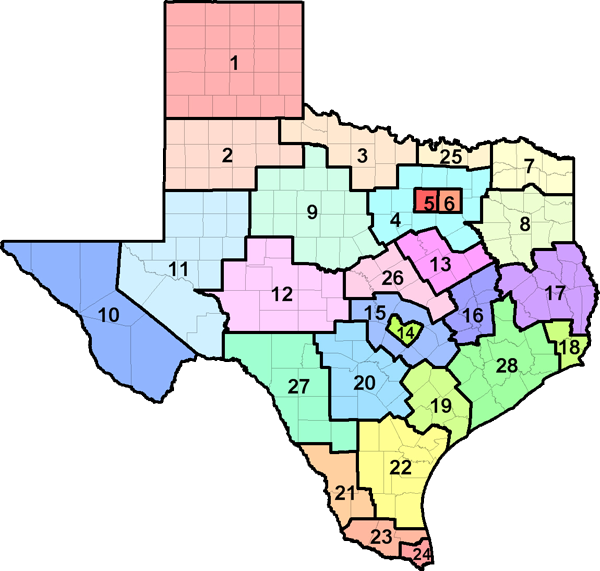
TEXAS COUNTY MAP BY WORKFORCE DEVELOPMENT AREA
* Due to confidentiality rules, not all regions may have the data displayed. The sum of all the regions may not be equal to the state total.


Top 10 Relevant Knowledge Areas Relevant Importance Levels
Customer and Personal Service
Knowledge of principles and processes for providing customer and personal services. This includes customer needs assessment, meeting quality standards for services, and evaluation of customer satisfaction.
65.40%
Food Production
Knowledge of techniques and equipment for planting, growing, and harvesting food products (both plant and animal) for consumption, including storage/handling techniques.
58.80%
Production and Processing
Knowledge of raw materials, production processes, quality control, costs, and other techniques for maximizing the effective manufacture and distribution of goods.
53.80%
English Language
Knowledge of the structure and content of the English language including the meaning and spelling of words, rules of composition, and grammar.
48.80%
Administration and Management
Knowledge of business and management principles involved in strategic planning, resource allocation, human resources modeling, leadership technique, production methods, and coordination of people and resources.
46.80%
Psychology
Knowledge of human behavior and performance; individual differences in ability, personality, and interests; learning and motivation; psychological research methods; and the assessment and treatment of behavioral and affective disorders.
36.20%
Education and Training
Knowledge of principles and methods for curriculum and training design, teaching and instruction for individuals and groups, and the measurement of training effects.
35.60%
Public Safety and Security
Knowledge of relevant equipment, policies, procedures, and strategies to promote effective local, state, or national security operations for the protection of people, data, property, and institutions.
35.20%
Administrative
Knowledge of administrative and office procedures and systems such as word processing, managing files and records, stenography and transcription, designing forms, and workplace terminology.
33.80%
Personnel and Human Resources
Knowledge of principles and procedures for personnel recruitment, selection, training, compensation and benefits, labor relations and negotiation, and personnel information systems.
33.40%


Top 10 Relevant Skill Areas Relevant Importance Levels
Active Listening
Giving full attention to what other people are saying, taking time to understand the points being made, asking questions as appropriate, and not interrupting at inappropriate times.
60.00%
Service Orientation
Actively looking for ways to help people.
60.00%
Time Management
Managing one's own time and the time of others.
60.00%
Coordination
Adjusting actions in relation to others' actions.
57.60%
Speaking
Talking to others to convey information effectively.
57.60%
Critical Thinking
Using logic and reasoning to identify the strengths and weaknesses of alternative solutions, conclusions, or approaches to problems.
55.00%
Reading Comprehension
Understanding written sentences and paragraphs in work-related documents.
52.40%
Social Perceptiveness
Being aware of others' reactions and understanding why they react as they do.
52.40%
Monitoring
Monitoring/Assessing performance of yourself, other individuals, or organizations to make improvements or take corrective action.
50.00%
Judgment and Decision Making
Considering the relative costs and benefits of potential actions to choose the most appropriate one.
47.60%


Top 10 Relevant Abilities Relevant Importance Levels
Oral Comprehension
The ability to listen to and understand information and ideas presented through spoken words and sentences.
60.00%
Trunk Strength
The ability to use your abdominal and lower back muscles to support part of the body repeatedly or continuously over time without "giving out" or fatiguing.
60.00%
Near Vision
The ability to see details at close range (within a few feet of the observer).
60.00%
Speech Recognition
The ability to identify and understand the speech of another person.
57.60%
Speech Clarity
The ability to speak clearly so others can understand you.
57.60%
Oral Expression
The ability to communicate information and ideas in speaking so others will understand.
57.60%
Arm-Hand Steadiness
The ability to keep your hand and arm steady while moving your arm or while holding your arm and hand in one position.
57.60%
Manual Dexterity
The ability to quickly move your hand, your hand together with your arm, or your two hands to grasp, manipulate, or assemble objects.
57.60%
Finger Dexterity
The ability to make precisely coordinated movements of the fingers of one or both hands to grasp, manipulate, or assemble very small objects.
57.60%
Information Ordering
The ability to arrange things or actions in a certain order or pattern according to a specific rule or set of rules (e.g., patterns of numbers, letters, words, pictures, mathematical operations).
55.00%


  • Getting Information
    -- Observing, receiving, and otherwise obtaining information from all relevant sources.
  • Making Decisions and Solving Problems
    -- Analyzing information and evaluating results to choose the best solution and solve problems.
  • Evaluating Information to Determine Compliance with Standards
    -- Using relevant information and individual judgment to determine whether events or processes comply with laws, regulations, or standards.
  • Performing General Physical Activities
    -- Performing physical activities that require considerable use of your arms and legs and moving your whole body, such as climbing, lifting, balancing, walking, stooping, and handling materials.
  • Establishing and Maintaining Interpersonal Relationships
    -- Developing constructive and cooperative working relationships with others, and maintaining them over time.
Other Activities


  • Relationships
    - Occupations that satisfy this work value allow employees to provide service to others and work with co-workers in a friendly non-competitive environment. Corresponding needs are Co-workers, Moral Values and Social Service.
  • Support
    - Occupations that satisfy this work value offer supportive management that stands behind employees. Corresponding needs are Company Policies, Supervision: Human Relations and Supervision: Technical.


Tools

Belt conveyors: Belt conveyors;

Cappuccino or espresso machines: Cappuccino machines; Espresso machines;

Carbonated beverage dispenser: Soda machines;

Commercial use blenders: Blenders;

Commercial use broilers: Charbroilers;

Commercial use coffee grinders: Coffee grinders;

Commercial use coffee or iced tea makers: Coffee brewing machines;

Commercial use cotton candy machines or accessories: Cotton candy machines;

Commercial use cutlery: Knives;

Commercial use deep fryers: Electric fryers;

Commercial use dishwashers: Dishwashing machines; Commercial dishwashers;

Commercial use dough machines: Dough mixers;

Commercial use food choppers or cubers or dicers: Choppers; Dicers;

Commercial use food grinders: Electric meat grinders;

Commercial use food processors: Food processors;

Commercial use food slicers: Bread slicers; Electric meat and cheese slicers; Tomato slicers;

Commercial use food warmers: Steam tables;

Commercial use griddles: Griddles;

Commercial use grills: Grills;

Commercial use measuring cups: Measuring utensils;

Commercial use microwave ovens: Commercial microwave ovens;

Commercial use mixers: Mixing machines; Commercial stand mixers;

Commercial use ovens: Commercial cooking ovens; Brick ovens;

Commercial use pizza ovens: Pizza ovens;

Commercial use popcorn machines: Popcorn machines;

Commercial use ranges: Commercial ranges;

Commercial use rotisseries: Electronic chicken rotisseries;

Commercial use scales: Combination slicers/electronic portion scales; Point of sale POS interface scales; Food scales; Thermal label printing scales;

Commercial use steamers: Pressureless steamers;

Commercial use toasters: Toasters;

Commercial use woks: Oriental ranges;

Ice dispensers: Ice machines;

Ice shaver machines or accessories: Snow cone machines;

Milkshake machines: Milkshake and smoothie machines;

Non carbonated beverage dispenser: Drink dispensers;

Personal computers: Personal computers;

Point of sale POS terminal: Point of sale POS systems;

Roasting machinery: Roasting equipment;

Slush machines: Frozen drink machines;

Soft serve machines: Soft-serve ice cream machines; Frozen custard machines;


Technology

Computer based training software: Quizlet;

Data base user interface and query software: Recipe software; ValuSoft MasterCook; Barrington Software CookenPro Commercial; CBORD Foodservice Suite; CBORD NetRecipe; Culinary Software Services ChefTec; EGS CALCMENU; iPro; Master Cook Deluxe Professional Cook; Mealmaster Cookbook Wizard; MicroBlast Recipe Wizard for Windows;

Office suite software: Microsoft Office software;

Spreadsheet software: Microsoft Excel;

Video creation and editing software: YouTube;


Related O*NET occupational titles for Food Preparation Workers include:
  • 35-3023.01 Baristas
  • 51-3021.00 Butchers and Meat Cutters
  • 35-2011.00 Cooks, Fast Food
  • 35-2012.00 Cooks, Institution and Cafeteria
  • 35-2014.00 Cooks, Restaurant
  • 35-2015.00 Cooks, Short Order
  • 35-9011.00 Dining Room and Cafeteria Attendants and Bartender Helpers
  • 35-9021.00 Dishwashers
  • 35-3023.00 Fast Food and Counter Workers
  • 35-3041.00 Food Servers, Nonrestaurant


Sources of Additional Information
  • For more information about job opportunities, contact local employers and local offices of the state employment service.
  • For more information about food preparation workers, visit: National Restaurant Association
  • Food Preparation Workers

  • Contact Texas Workforce Commission
    Labor Market and Career Information  |  101 E. 15th Street, Annex Room 0252  |  Austin, Texas 78778
    Official Website  |  1-800-822-PLAN (7526)  |  512.936.3200

    ** The information in this report may be derived from many sources like O*NET, BLS (Bureau of Labor Statistics), OOH (Occupational Outlook Handbook), and Career One Stop.