
The U.S. Department of Labor has developed an automated occupational information database, O*NET, that identifies and describes work content, work skills, and training requirements for all jobs across the country in all sectors of the economy. Much of the occupational information contained in this report is derived directly from the O*NET database, and supplemented with information from the Bureau of Labor Statistics, Census Bureau, and Labor Market and Career Information.

| Industry | % of Skincare Specialists employed | Annual Growth Rate |
|---|---|---|
| Personal care services | 53.4 | 0.92 |
| Offices of physicians | 8.7 | 0.28 |
| Health and personal care retailers | 5.1 | 0.24 |
| Traveler accommodation | 2.7 | 0.87 |
| Offices of other health practitioners | 2.5 | 0.91 |
| 2024 Statewide average hourly wage | $22.69 |
| 2024 National average hourly wage | $23.40 |
| 2022 National employment | 82,000 |
| 2022 Texas employment | 7,271 |
| Texas projected employment by 2032 | 8,734 |
| Texas projected annual employment and Turnover openings through 2032 | 1,233 |
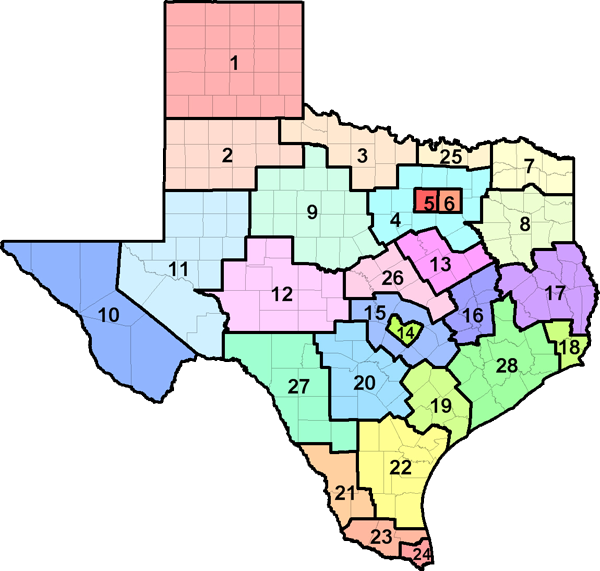
| Region | Employment | Projected Employment 2032 | Projected Annual Openings 2032 |
Annual Growth Rate |
Average Income |
|---|---|---|---|---|---|
| Texas (all regions) | 7,271 | 8,734 | 1,233 | 1.85% | $47,192.00 |
| Top 10 Relevant Knowledge Areas | Relevant Importance Levels |
|---|---|
| Customer and Personal Service Knowledge of principles and processes for providing customer and personal services. This includes customer needs assessment, meeting quality standards for services, and evaluation of customer satisfaction. |
|
| English Language Knowledge of the structure and content of the English language including the meaning and spelling of words, rules of composition, and grammar. |
|
| Sales and Marketing Knowledge of principles and methods for showing, promoting, and selling products or services. This includes marketing strategy and tactics, product demonstration, sales techniques, and sales control systems. |
|
| Chemistry Knowledge of the chemical composition, structure, and properties of substances and of the chemical processes and transformations that they undergo. This includes uses of chemicals and their interactions, danger signs, production techniques, and disposal methods. |
|
| Education and Training Knowledge of principles and methods for curriculum and training design, teaching and instruction for individuals and groups, and the measurement of training effects. |
|
| Public Safety and Security Knowledge of relevant equipment, policies, procedures, and strategies to promote effective local, state, or national security operations for the protection of people, data, property, and institutions. |
|
| Administration and Management Knowledge of business and management principles involved in strategic planning, resource allocation, human resources modeling, leadership technique, production methods, and coordination of people and resources. |
|
| Personnel and Human Resources Knowledge of principles and procedures for personnel recruitment, selection, training, compensation and benefits, labor relations and negotiation, and personnel information systems. |
|
| Medicine and Dentistry Knowledge of the information and techniques needed to diagnose and treat human injuries, diseases, and deformities. This includes symptoms, treatment alternatives, drug properties and interactions, and preventive health-care measures. |
|
| Administrative Knowledge of administrative and office procedures and systems such as word processing, managing files and records, stenography and transcription, designing forms, and workplace terminology. |
| Top 10 Relevant Skill Areas | Relevant Importance Levels |
|---|---|
| Speaking Talking to others to convey information effectively. |
|
| Active Listening Giving full attention to what other people are saying, taking time to understand the points being made, asking questions as appropriate, and not interrupting at inappropriate times. |
|
| Service Orientation Actively looking for ways to help people. |
|
| Reading Comprehension Understanding written sentences and paragraphs in work-related documents. |
|
| Active Learning Understanding the implications of new information for both current and future problem-solving and decision-making. |
|
| Critical Thinking Using logic and reasoning to identify the strengths and weaknesses of alternative solutions, conclusions, or approaches to problems. |
|
| Monitoring Monitoring/Assessing performance of yourself, other individuals, or organizations to make improvements or take corrective action. |
|
| Social Perceptiveness Being aware of others' reactions and understanding why they react as they do. |
|
| Coordination Adjusting actions in relation to others' actions. |
|
| Learning Strategies Selecting and using training/instructional methods and procedures appropriate for the situation when learning or teaching new things. |
| Top 10 Relevant Abilities | Relevant Importance Levels |
|---|---|
| Oral Comprehension The ability to listen to and understand information and ideas presented through spoken words and sentences. |
|
| Oral Expression The ability to communicate information and ideas in speaking so others will understand. |
|
| Near Vision The ability to see details at close range (within a few feet of the observer). |
|
| Speech Recognition The ability to identify and understand the speech of another person. |
|
| Speech Clarity The ability to speak clearly so others can understand you. |
|
| Written Comprehension The ability to read and understand information and ideas presented in writing. |
|
| Arm-Hand Steadiness The ability to keep your hand and arm steady while moving your arm or while holding your arm and hand in one position. |
|
| Finger Dexterity The ability to make precisely coordinated movements of the fingers of one or both hands to grasp, manipulate, or assemble very small objects. |
|
| Problem Sensitivity The ability to tell when something is wrong or is likely to go wrong. It does not involve solving the problem, only recognizing that there is a problem. |
|
| Deductive Reasoning The ability to apply general rules to specific problems to produce answers that make sense. |