Occupation Summary

Petroleum Pump System Operators, Refinery Operators, and Gaugers

O*NET 51-8093.00

Description:

Operate or control petroleum refining or processing units. May specialize in controlling manifold and pumping systems, gauging or testing oil in storage tanks, or regulating the flow of oil into pipelines.

Annual Wages:
$90,580.00
Employment Rate:
Employment is expected to increase by 7.81%.
Education Level:
High School Diploma - or the equivalent (for example, GED). According to O*Net, the majority of people employed in this occupation have this level of education.
Endorsement:
Business and Industry

  1. Monitor process indicators, instruments, gauges, and meters to detect and report any possible problems.
  2. Start pumps and open valves or use automated equipment to regulate the flow of oil in pipelines and into and out of tanks.
  3. Control or operate manifold and pumping systems to circulate liquids through a petroleum refinery.
  4. Operate control panels to coordinate and regulate process variables such as temperature and pressure, and to direct product flow rate, according to process schedules.
  5. Signal other workers by telephone or radio to operate pumps, open and close valves, and check temperatures.
  6. Verify that incoming and outgoing products are moving through the correct meters, and that meters are working properly.
  7. Read automatic gauges at specified intervals to determine the flow rate of oil into or from tanks, and the amount of oil in tanks.
  8. Operate auxiliary equipment and control multiple processing units during distilling or treating operations, moving controls that regulate valves, pumps, compressors, and auxiliary equipment.
  9. Plan movement of products through lines to processing, storage, and shipping units, using knowledge of system interconnections and capacities.
  10. Read and analyze specifications, schedules, logs, test results, and laboratory recommendations to determine how to set equipment controls to produce the required qualities and quantities of products.
  11. Record and compile operating data, instrument readings, documentation, and results of laboratory analyses.
  12. Synchronize activities with other pumphouses to ensure a continuous flow of products and a minimum of contamination between products.
  13. Patrol units to monitor the amount of oil in storage tanks, and to verify that activities and operations are safe, efficient, and in compliance with regulations.
  14. Maintain and repair equipment, or report malfunctioning equipment to supervisors so that repairs can be scheduled.
  15. Collect product samples by turning bleeder valves, or by lowering containers into tanks to obtain oil samples.
  16. Inspect pipelines, tightening connections and lubricating valves as necessary.
  17. Conduct general housekeeping of units, including wiping up oil spills and performing general cleaning duties.
  18. Coordinate shutdowns and major projects.
  19. Perform tests to check the qualities and grades of products, such as assessing levels of bottom sediment, water, and foreign materials in oil samples, using centrifugal testers.
  20. Prepare calculations for receipts and deliveries of oil and oil products.
  21. Lower thermometers into tanks to obtain temperature readings.
  22. Clean interiors of processing units by circulating chemicals and solvents within units.
  23. Clamp seals around valves to secure tanks.
  24. Calculate test result values, using standard formulas.


National Industry Employment Patterns


Industry % of Petroleum Pump System Operators, Refinery Operators, and Gaugers employed Annual Growth Rate
Pipeline transportation of natural gas 9.4 0.33
Pipeline transportation of crude oil 7.8 0.39
Other pipeline transportation 7.3 0.00


Labor Market Information


2024 Statewide average hourly wage $43.55
2024 National average hourly wage $43.74
2022 National employment 32,200
2022 Texas employment 8,937
Texas projected employment by 2032 9,635
Texas projected annual employment and Turnover openings through 2032 909


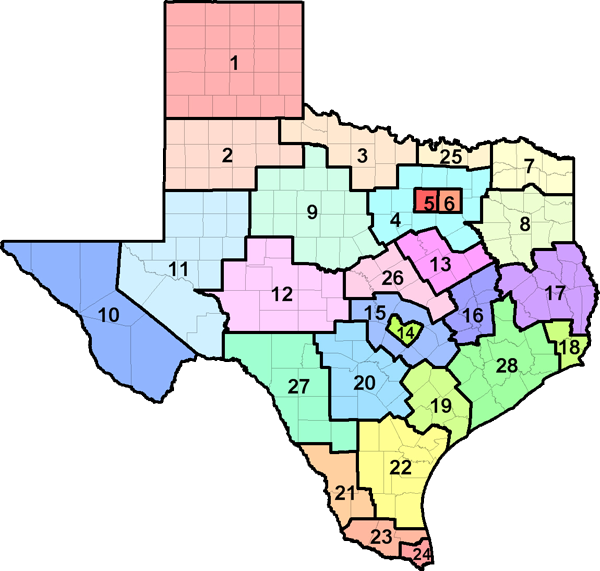
TEXAS COUNTY MAP BY WORKFORCE DEVELOPMENT AREA
* Due to confidentiality rules, not all regions may have the data displayed. The sum of all the regions may not be equal to the state total.


Top 10 Relevant Knowledge Areas Relevant Importance Levels
Production and Processing
Knowledge of raw materials, production processes, quality control, costs, and other techniques for maximizing the effective manufacture and distribution of goods.
72.20%
Public Safety and Security
Knowledge of relevant equipment, policies, procedures, and strategies to promote effective local, state, or national security operations for the protection of people, data, property, and institutions.
71.60%
Mechanical
Knowledge of machines and tools, including their designs, uses, repair, and maintenance.
71.00%
Administration and Management
Knowledge of business and management principles involved in strategic planning, resource allocation, human resources modeling, leadership technique, production methods, and coordination of people and resources.
70.40%
Mathematics
Knowledge of arithmetic, algebra, geometry, calculus, statistics, and their applications.
64.40%
English Language
Knowledge of the structure and content of the English language including the meaning and spelling of words, rules of composition, and grammar.
64.00%
Computers and Electronics
Knowledge of circuit boards, processors, chips, electronic equipment, and computer hardware and software, including applications and programming.
59.80%
Chemistry
Knowledge of the chemical composition, structure, and properties of substances and of the chemical processes and transformations that they undergo. This includes uses of chemicals and their interactions, danger signs, production techniques, and disposal methods.
59.00%
Education and Training
Knowledge of principles and methods for curriculum and training design, teaching and instruction for individuals and groups, and the measurement of training effects.
57.40%
Engineering and Technology
Knowledge of the practical application of engineering science and technology. This includes applying principles, techniques, procedures, and equipment to the design and production of various goods and services.
52.20%


Top 10 Relevant Skill Areas Relevant Importance Levels
Operations Monitoring
Watching gauges, dials, or other indicators to make sure a machine is working properly.
80.00%
Operation and Control
Controlling operations of equipment or systems.
75.00%
Monitoring
Monitoring/Assessing performance of yourself, other individuals, or organizations to make improvements or take corrective action.
72.40%
Reading Comprehension
Understanding written sentences and paragraphs in work-related documents.
70.00%
Speaking
Talking to others to convey information effectively.
62.40%
Complex Problem Solving
Identifying complex problems and reviewing related information to develop and evaluate options and implement solutions.
62.40%
Critical Thinking
Using logic and reasoning to identify the strengths and weaknesses of alternative solutions, conclusions, or approaches to problems.
60.00%
Active Learning
Understanding the implications of new information for both current and future problem-solving and decision-making.
60.00%
Active Listening
Giving full attention to what other people are saying, taking time to understand the points being made, asking questions as appropriate, and not interrupting at inappropriate times.
60.00%
Writing
Communicating effectively in writing as appropriate for the needs of the audience.
60.00%


Top 10 Relevant Abilities Relevant Importance Levels
Information Ordering
The ability to arrange things or actions in a certain order or pattern according to a specific rule or set of rules (e.g., patterns of numbers, letters, words, pictures, mathematical operations).
75.00%
Flexibility of Closure
The ability to identify or detect a known pattern (a figure, object, word, or sound) that is hidden in other distracting material.
75.00%
Perceptual Speed
The ability to quickly and accurately compare similarities and differences among sets of letters, numbers, objects, pictures, or patterns. The things to be compared may be presented at the same time or one after the other. This ability also includes comparing a presented object with a remembered object.
75.00%
Near Vision
The ability to see details at close range (within a few feet of the observer).
75.00%
Problem Sensitivity
The ability to tell when something is wrong or is likely to go wrong. It does not involve solving the problem, only recognizing that there is a problem.
72.40%
Selective Attention
The ability to concentrate on a task over a period of time without being distracted.
70.00%
Hearing Sensitivity
The ability to detect or tell the differences between sounds that vary in pitch and loudness.
67.60%
Auditory Attention
The ability to focus on a single source of sound in the presence of other distracting sounds.
67.60%
Speech Recognition
The ability to identify and understand the speech of another person.
65.00%
Deductive Reasoning
The ability to apply general rules to specific problems to produce answers that make sense.
65.00%


  • Inspecting Equipment, Structures, or Materials
    -- Inspecting equipment, structures, or materials to identify the cause of errors or other problems or defects.
  • Monitoring Processes, Materials, or Surroundings
    -- Monitoring and reviewing information from materials, events, or the environment, to detect or assess problems.
  • Controlling Machines and Processes
    -- Using either control mechanisms or direct physical activity to operate machines or processes (not including computers or vehicles).
  • Identifying Objects, Actions, and Events
    -- Identifying information by categorizing, estimating, recognizing differences or similarities, and detecting changes in circumstances or events.
  • Communicating with Supervisors, Peers, or Subordinates
    -- Providing information to supervisors, co-workers, and subordinates by telephone, in written form, e-mail, or in person.
Other Activities


  • Independence
    - Occupations that satisfy this work value allow employees to work on their own and make decisions. Corresponding needs are Creativity, Responsibility and Autonomy.
  • Support
    - Occupations that satisfy this work value offer supportive management that stands behind employees. Corresponding needs are Company Policies, Supervision: Human Relations and Supervision: Technical.


Tools

Adjustable wrenches: Adjustable handwrenches;

Allen wrench: Allen wrench sets;

Calipers: Vernier calipers;

Centrifuges: Hand centrifuges; Electric centrifuges;

Cold chisels: Flat cold chisels;

Combination pliers: Fencing pliers;

Compressor control panels: Compressor control panels;

Feeler gauges: Digital feeler gauges;

Goggles: Safety goggles;

Hacksaw: Hacksaws;

Hammers: Multipurpose hammers;

Handheld thermometer: Handheld digital thermometers;

Hydrometers: Calibrated hydrometer;

Load binders: Chain boomers;

Needlenose pliers: Needlenose pliers;

Notebook computers: Laptop computers;

Oil can: Oil squirt cans;

Oil samplers: Petroleum sampling equipment;

Oil tank truck: Petroleum trucks;

Personal computers: Personal computers;

Pipe wrenches: Pipe wrench sets;

Pocket knives: Pocket knives;

Precision file: Precision file sets;

Pressure gauge: Pressure testers;

Pry bars: Moving bars;

Punches or nail sets or drifts: Punch sets;

Rulers: Gauge lines;

Sampling pumps: Oil sampling pumps;

Screwdrivers: Multipurpose screwdrivers;

Slip or groove joint pliers: Groove joint pliers;

Sockets: Socket sets;

Tape measures: Measuring tapes;

Tinners snips: Straight tinners snips;

Vacuum truck: Vacuum trucks;

Wellhead beam pumps: Oil field pumps;

Wellhead flow lines: Lease automatic custody transfer LACT units;

Wire brushes: Wire cleaning brushes;

Wire cutters: Wire cutting tools;


Technology

Electronic mail software: Email software; Microsoft Outlook;

Industrial control software: Programmable logic controller PLC software; Supervisory control and data acquisition SCADA software;

Inventory management software: Inventory tracking software;

Spreadsheet software: Microsoft Excel;

Word processing software: Microsoft Word;


Related O*NET occupational titles for Petroleum Pump System Operators, Refinery Operators, and Gaugers include:
  • 51-8099.01 Biofuels Processing Technicians
  • 51-8013.03 Biomass Plant Technicians
  • 51-8091.00 Chemical Plant and System Operators
  • 53-7071.00 Gas Compressor and Gas Pumping Station Operators
  • 51-8092.00 Gas Plant Operators
  • 51-8013.00 Power Plant Operators
  • 53-7072.00 Pump Operators, Except Wellhead Pumpers
  • 51-8021.00 Stationary Engineers and Boiler Operators
  • 51-8031.00 Water and Wastewater Treatment Plant and System Operators
  • 53-7073.00 Wellhead Pumpers


No sources of additional information found.

Contact Texas Workforce Commission
Labor Market and Career Information  |  101 E. 15th Street, Annex Room 0252  |  Austin, Texas 78778
Official Website  |  1-800-822-PLAN (7526)  |  512.936.3200

** The information in this report may be derived from many sources like O*NET, BLS (Bureau of Labor Statistics), OOH (Occupational Outlook Handbook), and Career One Stop.