Occupation Summary

Special Forces Officers

O*NET 55-1017.00

Description:

Lead elite teams that implement unconventional operations by air, land, or sea during combat or peacetime. These activities include offensive raids, demolitions, reconnaissance, search and rescue, and counterterrorism. In addition to their combat training, special forces officers often have specialized training in swimming, diving, parachuting, survival, emergency medicine, and foreign languages. Duties include directing advanced reconnaissance operations and evaluating intelligence information; recruiting, training, and equipping friendly forces; leading raids and invasions on enemy territories; training personnel to implement individual missions and contingency plans; performing strategic and tactical planning for politically sensitive missions; and operating sophisticated communications equipment.

Annual Wages:
Unavailable
Employment Rate:
Employment is expected to increase by %.
Education Level:
High School Diploma - or the equivalent (for example, GED). According to O*Net, the majority of people employed in this occupation have this level of education.

No job tasks found.


No Industry Employment Patterns found.

Labor Market Information


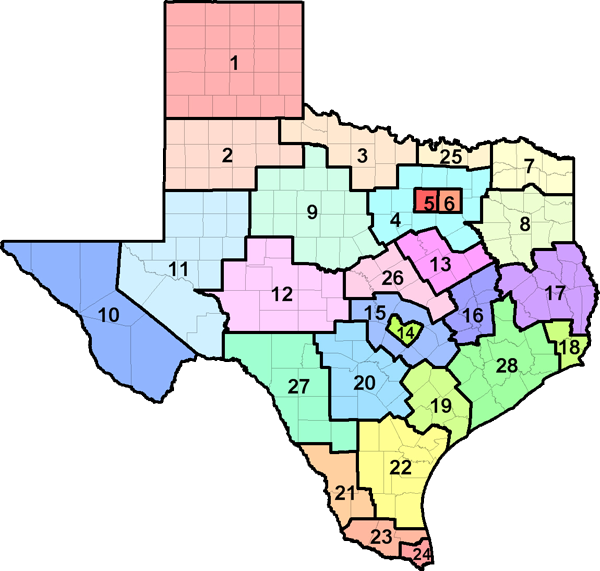
TEXAS COUNTY MAP BY WORKFORCE DEVELOPMENT AREA
Region Employment Projected Employment 2032 Projected
Annual Openings 2032
Annual
Growth Rate
Average Income
Texas (all regions) Unavailable Unavailable Unavailable Unavailable Unavailable
* Due to confidentiality rules, not all regions may have the data displayed. The sum of all the regions may not be equal to the state total.


Other Activities


No work importance values found.

No certifications found.


No tools found.
No technologies found.


No titles found.


No sources of additional information found.

Contact Texas Workforce Commission
Labor Market and Career Information  |  101 E. 15th Street, Annex Room 0252  |  Austin, Texas 78778
Official Website  |  1-800-822-PLAN (7526)  |  512.936.3200

** The information in this report may be derived from many sources like O*NET, BLS (Bureau of Labor Statistics), OOH (Occupational Outlook Handbook), and Career One Stop.